Struggling to stay consistent with your health habits? Learn science-backed, realistic strategies to build healthy habits that actually last for busy women 25-45.
Why Healthy Habits Feel So Hard Right Now
You already know what you should be doing. Drink more water. Move your body. Eat more vegetables. Go to bed earlier. The information isn’t the problem. You’ve probably tried more than once, and it worked for a while, until it didn’t.
Sound familiar? You start a new routine on a Monday, fired up and determined. You meal prep on Sunday, download a fitness app, maybe even buy new workout gear. For two or three weeks, things go well. Then life happens. A work deadline. A sick kid. A rough week where you’re just exhausted by 7pm. And just like that, the whole thing falls apart.
Then comes the guilt. “Why can’t I just stick to something?” You blame your willpower, your schedule, your lack of discipline. And before long, you’re waiting for Monday again to start fresh.
I’ve been there. For years, I cycled through this exact pattern. I’d lose a few kilos, feel amazing, then slowly slide back to where I started, feeling worse each time because I thought it meant something was wrong with me. It didn’t. And nothing is wrong with you, either.
The truth is, lasting healthy habits aren’t built on willpower or perfect discipline. They’re built on simple, sustainable systems that actually fit into your real, messy, busy life. In this guide, you’ll learn why habits don’t stick, how change really works, and, most importantly, how to build daily healthy habits that you can actually keep, long term.
What Are Healthy Habits That Last?
Let’s get clear on what we’re actually talking about. A healthy habit that lasts isn’t a six-week challenge or a January detox. It’s a small, repeatable action that improves your health, energy, or mood, and that you can realistically maintain for months and years, not just weeks.
Think about the difference between a crash diet (cut carbs completely, survive on salads for 10 days) and a sustainable habit (add a handful of vegetables to at least one meal a day). One is extreme and temporary. The other is small and doable. And over time, the small and doable one wins every time.
This is where the idea of “minimum effective habits” comes in. These are the smallest possible actions that still move the needle on your health. A 10-minute walk counts. Swapping one sugary drink for water counts. Going to bed 30 minutes earlier counts. These aren’t consolation prizes. They’re the foundation.
Why Healthy Habits Don’t Stick (Especially for Women 25-45)
Before we talk about solutions, it helps to understand why habits break down in the first place. Because once you see the pattern, you stop blaming yourself and start designing around it.
All-or-Nothing Thinking
This is a big one. You miss one workout and suddenly the whole week is “ruined.” You eat a biscuit at morning tea and decide you may as well write off the day. Perfectionism disguised as motivation is actually one of the biggest barriers to building long-term healthy habits.
When your self-worth is tied to whether you “stuck to the plan,” one off day can spiral into weeks of giving up. The habit isn’t the problem. The thinking around it is.
Time Scarcity, Fatigue, and Mental Load
You’re managing a career, relationships, possibly kids, a household, and your own mental health, often all at once. By the time evening rolls around, your decision-making capacity is basically empty. This is called decision fatigue, and it’s a real, researched phenomenon.
Rigid meal plans and complicated workout schedules collapse under the weight of real life. That’s not a personal failure. That’s a design problem.
Emotional Eating and Stress
Using food (or wine, or scrolling, or online shopping) to deal with stress, boredom, or overwhelm is incredibly common. It’s not weakness. It’s a coping strategy that works in the short term but creates a guilt cycle in the long term.
Stress leads to reaching for comfort. Comfort leads to guilt. Guilt creates more stress. “I’ll start again on Monday” becomes a loop that never really ends.
Information Overload and Conflicting Advice
Keto or intuitive eating? Intermittent fasting or six small meals a day? Cardio or strength training? The sheer volume of conflicting health information creates a kind of “analysis paralysis.” When you don’t know who to trust, it’s easier to do nothing.
Poor Self-Image and Comparison
Social media is full of “bounce back” stories, before-and-after photos, and influencers with flawless routines. Comparing your week three to someone else’s year three is a recipe for discouragement. Progress that’s real but slow can feel invisible when you’re surrounded by dramatic transformations.

The Science of Habits: How Change Really Works
The Habit Loop
Every habit, good or bad, follows the same basic loop: cue, routine, reward. A cue is a trigger, something that tells your brain to start a behaviour. The routine is the behaviour itself. The reward is what reinforces it and makes you want to do it again.
For example: You feel stressed (cue) → you reach for a snack (routine) → you feel momentarily better (reward). Or: You make your morning coffee (cue) → you sit and scroll your phone (routine) → you feel a moment of quiet before the day starts (reward).
Understanding this loop means you can start designing better habits rather than just trying harder.
Tiny Habits and Compounding
Research on behaviour change consistently shows that small habits outperform big overhauls for long-term success. A 5-minute daily walk feels almost meaningless. But done consistently for a year, it becomes hundreds of hours of movement, better cardiovascular health, improved mood, and a genuine identity shift. Tiny actions compound over time.
Identity-Based Habits
One of the most powerful shifts in habit science is moving from outcome-based thinking (“I want to lose 10 kilos”) to identity-based thinking (“I’m a woman who takes care of her body”). Every small habit you stick to is a vote for who you’re becoming. Over time, those votes add up to a genuine change in how you see yourself, which then makes the habits easier to keep.
Step 1: Get Clear on Your Why
Motivation based on “I should” rarely lasts. Motivation rooted in something you genuinely want is far more durable. Before you change anything practical, take a few minutes to connect with your real reasons.
Maybe you want to feel confident in photos again. Maybe you want the energy to keep up with your kids without being exhausted by noon. Maybe you have a family history of heart disease or diabetes and you want to do something about it before it becomes your story too. Maybe you just want to stop feeling like your body is working against you.
Try answering these questions in a journal or notes app:
- How do I want to feel in my body 6 to 12 months from now?
- What becomes possible for me if I feel stronger, healthier, and more energised?
- What am I modelling for the people around me, my kids, friends, or younger women in my life?
Write down your answers and put them somewhere visible. When motivation drops (and it will), your why is what pulls you back.
Step 2: Start Smaller Than You Think
The Power of Ridiculously Easy Habits
Here’s a counterintuitive truth: your first habit goal should feel almost embarrassingly easy. Not a 45-minute gym session. Not a full meal plan. Something like five squats after brushing your teeth, one glass of water before your morning coffee, or a 5-minute walk around the block.
Why? Because easy habits build the most important thing you need right now: self-trust. Every time you follow through on something small, you prove to yourself that you’re someone who does what she says she’ll do. That feeling matters more than the physical outcome at this stage.
Choosing 1 to 3 Keystone Habits
A keystone habit is a habit that naturally pulls other positive behaviours along with it. For example, a regular morning walk often leads to better food choices during the day, because moving your body activates a sense of caring for yourself. Going to bed earlier improves energy, which reduces afternoon cravings, which makes it easier to stay consistent with movement.
Start with one habit in each of these areas:
- Movement: A 10-minute daily walk, morning stretching, or a simple bodyweight routine.
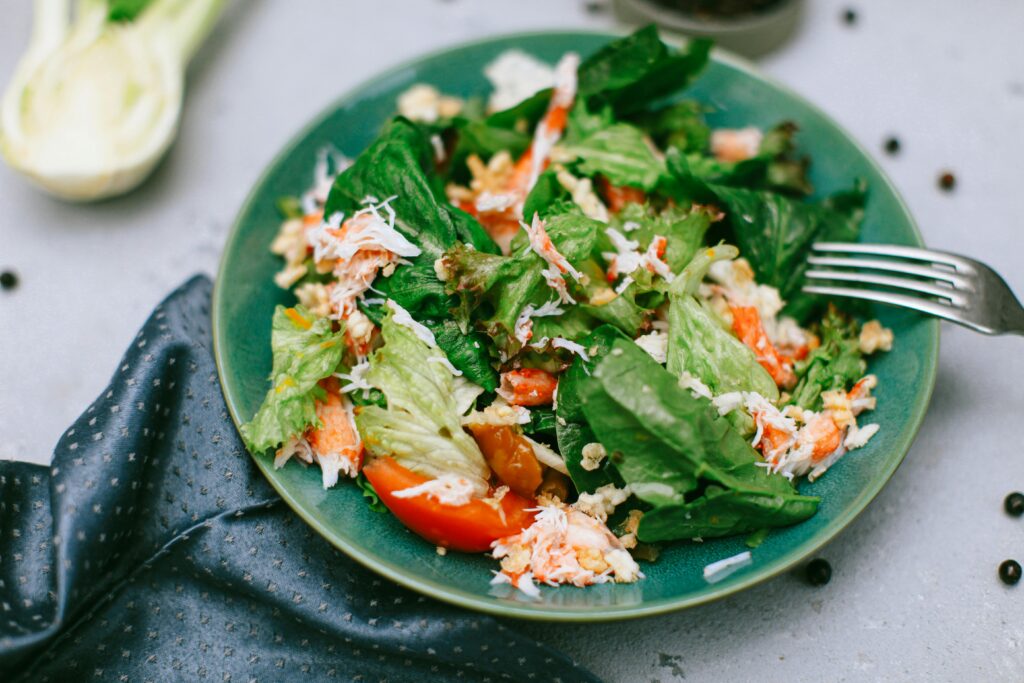
- Nutrition: Adding a protein source and one vegetable to at least one meal a day.
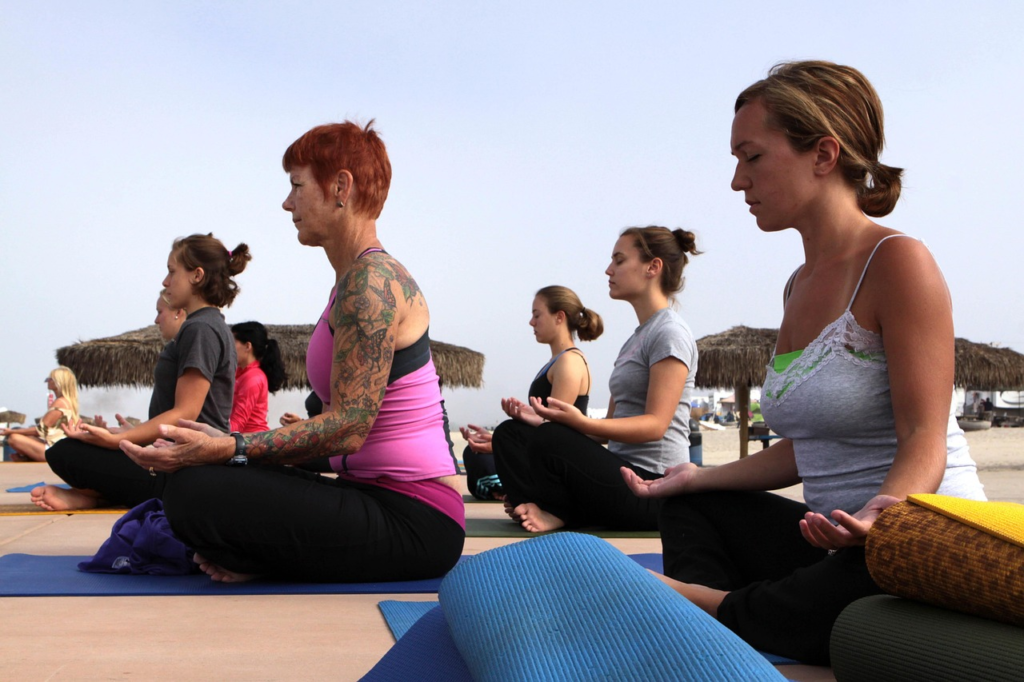
- Self-care: Going to bed 30 minutes earlier, or spending 5 minutes each morning without a screen.
Habit Design Checklist
Before committing to a habit, run it through these three questions:
- Does it take less than 10 to 15 minutes?
- Can I do it even on my busiest day?
- Does it feel supportive, not punishing?
If you answer yes to all three, it’s a good starting habit.
Step 3: Make Habits Fit Your Busy Life (Not the Other Way Around)
Habit Stacking
Habit stacking is one of the most practical tools for busy women. The idea is simple: attach a new habit to something you already do automatically. Because the existing habit already happens without thinking, it becomes a reliable cue for the new one.
Some examples:
- After I make my morning coffee, I drink one full glass of water first.
- After I put the kids to bed, I do 10 minutes of stretching.
- After I sit down at my desk, I spend 2 minutes planning my meals for the day.
You’re not adding more to your day. You’re adding on to what’s already there.
Use Your Environment to Your Advantage
Your environment shapes your behaviour more than willpower does. If healthy choices are visible and easy, you’re more likely to make them. If they require effort to access, you’ll skip them.
- Keep a water bottle on your desk so you drink without thinking about it.
- Put your walking shoes by the door the night before.
- Keep pre-cut vegetables and protein snacks at eye level in the fridge.
- Charge your phone outside the bedroom so you’re not scrolling at midnight.
Plan for Real Life with If/Then Thinking
One of the best things you can do is pre-decide what you’ll do when things don’t go to plan. Researchers call this “implementation intention,” but the practical version is just if/then planning.
- “If I’m too tired for a full workout, then I’ll do a 5-minute walk and 5 minutes of stretching.”
- “If I get home late and don’t want to cook, then I’ll use my backup 10-minute dinner option.”
- “If I miss my morning routine, then I’ll do a shorter version in the evening.”
Adjusting the plan instead of abandoning it is a skill. It’s also what separates people who build lasting habits from those who don’t.

Step 4: Manage Emotions Without Relying on Food
Recognise Emotional vs. Physical Hunger
Physical hunger builds gradually, can wait a little, and is satisfied by most foods. Emotional hunger comes on suddenly, feels urgent, and usually craves something specific, often something sweet, salty, or crunchy. It can show up when you’re stressed, bored, lonely, or overwhelmed, even when you ate an hour ago.
Noticing the difference isn’t about judging yourself. It’s just information. The more you recognise it, the more choices you have.
Build a Stress Relief Menu
Instead of white-knuckling it when stress hits, have a pre-made list of things that genuinely soothe you that aren’t food. Pick 2 or 3 that you’ll actually use:
- 5 slow, deep breaths
- A 5-minute walk outside
- Journalling one page of whatever is on your mind
- A voice note or text to a friend
- A hot shower or bath
- 10 minutes of stretching with music you love
De-shaming the Slip-Ups
Emotional eating doesn’t make you weak or broken. It makes you human. What matters is not whether it happens but what you do after. Instead of spiralling into guilt, try asking: “What was I feeling? What did I need?” That information is far more useful than shame.
One practical rule: the reset starts at the next meal, not next Monday. One moment doesn’t define your week. Responding quickly and gently is what builds resilience over time.
Step 5: Stay Consistent Without Being Perfect
Redefine What Success Looks Like
Shift the success question from “Did I do it perfectly?” to “Did I show up at all?” A 5-minute walk on a hard day counts. Choosing a slightly healthier option when you’re tired and ordering takeaway counts. Showing up imperfectly is still showing up.
A useful rule to borrow from habit research: never miss twice. Missing once is normal and expected. Missing twice in a row is when a new pattern starts to form. So when you miss, the only job is to get back to it the next day, not the next Monday, not next month.
Track Progress That Actually Motivates You
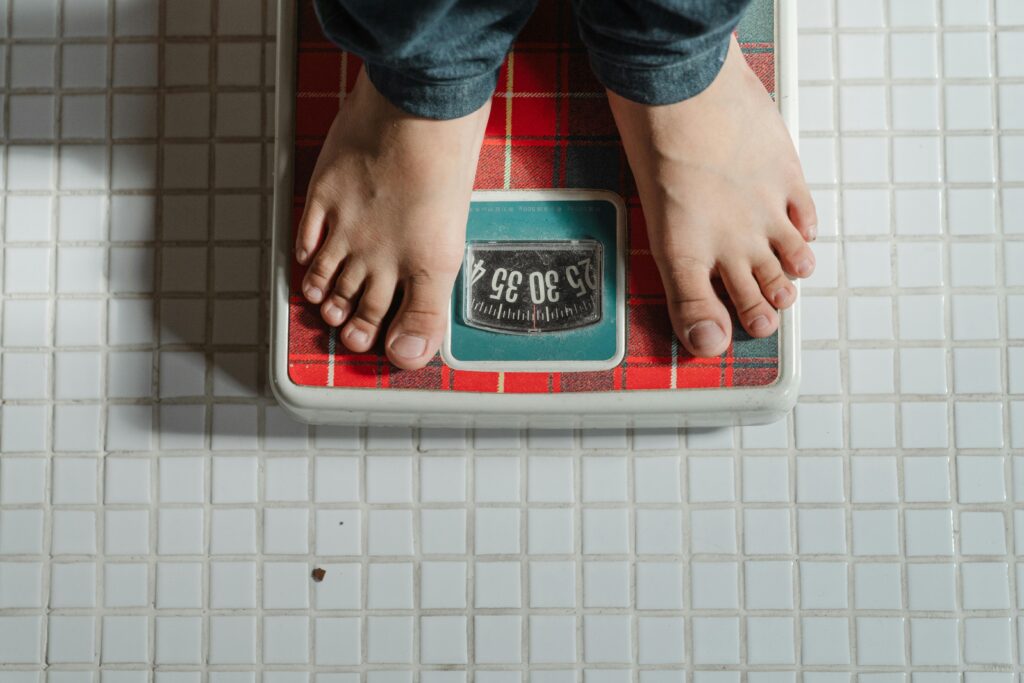
The scale is one measure of progress, but it’s not the most motivating one for most women. Consider tracking non-scale wins instead:
- Energy levels throughout the day
- Sleep quality
- Mood and stress levels
- How your clothes feel
- How often you’re choosing movement because it feels good, not just because you have to
Expect Plateaus and Life Seasons
There will be weeks where habits slip. Travel, illness, grief, a heavy season at work, these are not failures. They’re just seasons. The goal isn’t a perfect streak. It’s a flexible relationship with your health that can bend without breaking.
In easier seasons, dial your habits up. In harder seasons, dial them down to the bare minimum. The key is to keep some version of the habit alive, even if it’s smaller than usual.
Common Mistakes to Avoid When Building Healthy Habits
Watch out for these common traps, and a simple fix for each:
- Trying to change everything at once. Try this instead: Pick one habit and master it for two to four weeks before adding another.
- Copying an influencer’s routine instead of adapting it to your life. Try this instead: Use their ideas as inspiration, but design your habit around your actual schedule and preferences.
- Punishing yourself with exercise or restriction. Try this instead: Choose movement you genuinely enjoy, or at least tolerate, and nutrition habits that feel nourishing rather than depriving.
- Relying solely on motivation instead of systems. Try this instead: Design your environment, stack your habits, and pre-plan for hard days so the habit runs on autopilot when motivation is low.
- Doing it alone with no support or accountability. Try this instead: Find one person to check in with, an online community, a friend, or a coach who supports sustainable change.
Sample 7-Day Habit Starter Plan for Busy Women
This isn’t a strict schedule. It’s a gentle starting framework across three areas: movement, nourishment, and self-care. Adjust the timing to fit your life.
Daily Non-Negotiables (All 7 Days)
- Movement: A 10-minute walk (morning, lunch, or after dinner, whenever works)
- Nourishment: Add a protein source to at least one meal (eggs, Greek yoghurt, chicken, legumes, cottage cheese)
- Self-care: A 5-minute wind-down before bed (screens off, a few stretches or slow breaths)
Optional Add-Ons (2 to 3 Times This Week)
- One slightly longer walk (20 to 30 minutes) or a fun physical activity you enjoy
- A “meal prep lite” session: wash and cut vegetables, cook a batch of protein, or prep breakfast for the next morning
- One strength session at home: squats, lunges, and push-ups, 15 minutes is plenty
At the end of the week, ask yourself two questions: What went well? What got in the way? Then adjust for the following week. That’s it. No complex scoring. No starting over.
When You Need Extra Support
Change is genuinely easier with support. That’s not a weakness. It’s backed by research on behaviour change. If you’ve been trying to do this alone and it keeps falling apart, consider reaching out.
Options include online communities or accountability groups (there are many free ones focused on sustainable health for women), simple habit-tracking apps, or working with a coach or program that focuses on long-term lifestyle change rather than short-term results.
The best support is the kind that makes you feel seen, capable, and hopeful, not shamed, restricted, or obsessed with numbers.
You Don’t Need a Perfect Plan. Just Your Next Step.
If you’ve read this far and you’re thinking, “I’ve heard some of this before,” you’re right. The information has probably always been available. What changes isn’t the information. It’s the approach.
Your old strategies weren’t broken because you were broken. They were broken because they weren’t designed for your actual life. Extreme, all-or-nothing approaches work for a few weeks and then collapse. Simple, flexible systems stick.
You don’t need a perfect week. You need a habit that’s small enough to do consistently, connected to a reason that matters to you, and flexible enough to survive real life. That’s what building healthy habits that last actually looks like.
Here’s your one action for today: choose one habit from this article. Just one. Write down your why and put it somewhere you’ll see it tomorrow morning. That’s the whole plan.
If you want more help, download the free habit tracker below, sign up for weekly tips on simple, sustainable health, or read the next article on beginner nutrition basics for busy women.