If you’ve ever thought, “I want to lose weight, where do I start?” you’re not alone and we have bene there ourselves. Starting a weight loss journey can feel completely overwhelming. There’s so much conflicting advice out there, from juice cleanses to extreme workout plans, that it’s hard to know what actually works.
Here’s the truth: you don’t need a perfect plan. You don’t need expensive supplements or a gym membership. What you need are small, consistent steps that fit into your real life.
This guide will walk you through everything you need to know about beginner weight loss, from understanding how weight loss actually works, to building healthy eating habits, to finding movement you enjoy. By the end, you’ll have a clear roadmap for how to start losing weight at home, at your own pace, with realistic expectations.
Let’s take this one step at a time.
Step 1 — Get Clear on Your Why
Before you change anything about what you eat or how you move, you need to understand *why* you want to lose weight. Your “why” is what will keep you going when motivation fades, when your body is tired and craving something fatty and sweet.
When you’re clear about your reasons, setbacks become temporary bumps instead of reasons to quit. Maybe you want more energy to keep up with your kids. Maybe you’re tired of feeling uncomfortable in your own skin. Maybe your doctor mentioned concerns about your blood pressure or blood sugar levels. Whatever your reason, it needs to be personal and meaningful to you, not what society tells you to want, but what genuinely matters in your life.
I know first hand that focusing on the scales and not seeing the results I wanted can be frastrating and demotivationg. But remembering that my goals was to improve my overall health ment that my improved fitness was a win even if my weight didn’t go down.
Take Time to Reflect, grab a notebook or open your phone’s notes app. Write down your answers to these questions:
– Why do I want to lose weight right now?
– How will my life be different when I’m healthier and more energized?
– What specific activities or moments do I want to enjoy more fully?
– What health concerns am I trying to address?
Keep this somewhere you can revisit it. On tough days, reading your “why” can remind you what you’re working toward.
Step 2 — Understand the Basics of Weight Loss
Let’s clear up the confusion around how to lose weight. It’s actually simpler than you think, though simple doesn’t always mean easy.
Energy Balance Made Simple
To oversimplify it, weight loss comes down to energy balance. Your body needs a certain amount of energy (measured in calories) to function each day. This energy comes from the food you eat.
– Calories in: The energy from food and drinks
– Calories out: The energy your body uses for basic functions (breathing, digestion, brain function) plus any movement or exercise
When you consistently consume fewer calories than your body uses, you lose weight. When you consume more, you gain weight. When they’re balanced, your weight stays stable.
Here’s what this doesn’t mean:
– You don’t need to cut out carbs, sugar, or any specific food
– No food is inherently “good” or “bad”
– You don’t need to eat “clean” 100% of the time
It’s about portions and frequency. You can still enjoy treats, they just need to fit within your overall energy needs.
Setting a Realistic Target
The safe and sustainable rate for weight loss is about 0.5 to 1 kilogram (1 to 2 pounds) per week. Yes, that might sound slow, especially when you see dramatic “before and after” transformations online. But here’s why slow is better:
– You’re more likely to lose fat (not just water weight)
– You can maintain muscle mass
– You’re building habits you can actually stick with
– Your metabolism stays healthy
– You avoid the exhaustion and hunger that comes with crash dieting
Weight loss tips for beginners always emphasize this: focus on building healthy habits for long-term weight loss, not chasing quick fixes that leave you right back where you started.
Step 3 — Fix What You Eat, Not Just How Much
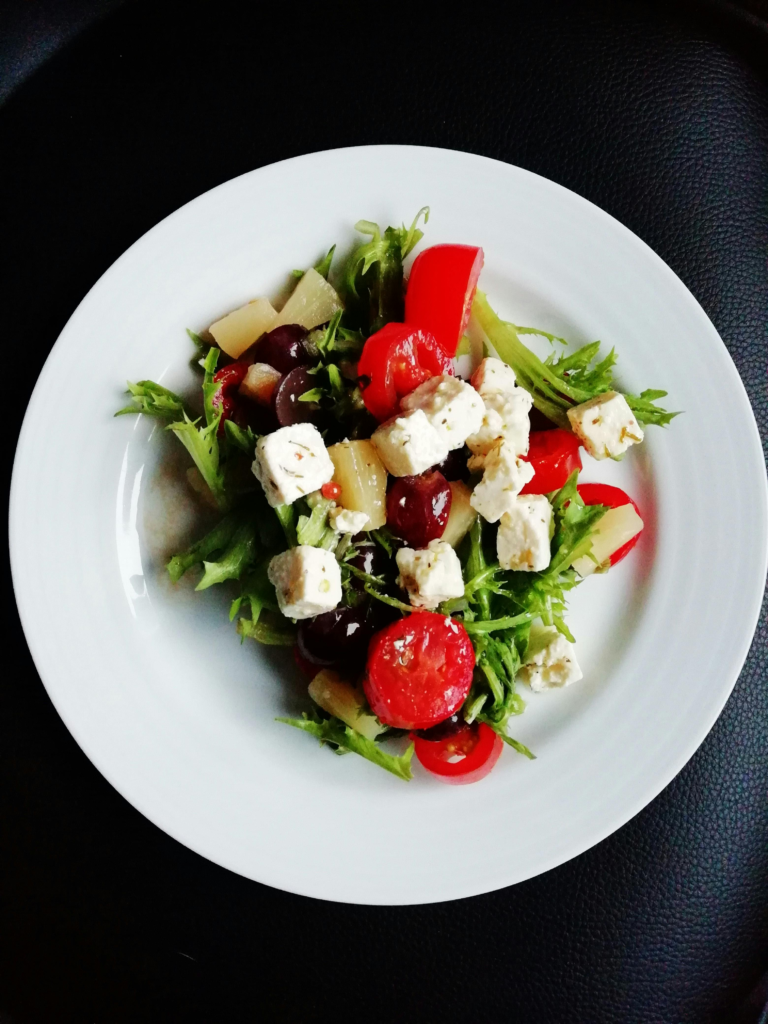
Healthy eating doesn’t mean bland chicken and steamed broccoli forever. It means making smarter choices most of the time while still enjoying food you love.
Start with Small Nutrition Tweaks
When you’re figuring out how to begin your weight loss journey, don’t overhaul everything at once. Start with these simple steps to start losing weight:
Cut down on sugary drinks and snacks
– Swap soda for sparkling water with a splash of juice
– Replace your afternoon candy bar with a piece of fruit and a handful of nuts
– Choose water or unsweetened tea instead of juice at breakfast
Add more protein and fiber for fullness
Protein and fiber keep you satisfied longer, which means less snacking and fewer cravings. Easy additions include:
– Greek yogurt at breakfast
– Beans or lentils in your lunch
– An extra serving of vegetables at dinner
– Eggs, chicken, fish, tofu, or cottage cheese
Swap refined carbs for whole grains
– Choose brown rice instead of white rice
– Pick whole grain bread over white bread
– Try oats instead of sugary cereal
These aren’t strict rules, they’re guidelines. Start with one or two changes this week. Once those feel normal, add another
Learn Portion Control
You don’t need to weigh every morsel of food, but understanding portion sizes helps enormously. Here’s an easy visual guide using your hand:
– Protein: Palm-sized serving (about 20-30g)
– Carbs: Cupped hand or fist-sized serving
– Fats: Thumb-sized serving (oils, butter, nuts)
– Vegetables: As much as you can fit in both hands
Alternatively, picture your plate divided into sections:
– Half the plate: vegetables
– Quarter of the plate: protein
– Quarter of the plate: carbs (rice, pasta, potatoes, bread)
Apps like MyFitnessPal or Lose It can be eye-opening when you’re starting out. You might discover that your “small” bowl of cereal is actually three servings, or that your daily latte has more calories than you realized. You don’t need to track forever, but doing it for a few weeks teaches you what appropriate portions look like.
Plan Ahead
One of the best weight loss tips? Don’t leave your meals to chance when you’re already hungry and tired, meal plan. Easy meal plan to start losing weight:
Spend an hour on Sunday (or whatever day works) doing basic prep:
– Cook a big batch of protein (grilled chicken, ground turkey, boiled eggs)
– Chop vegetables for the week
– Make overnight oats or prep smoothie bags
– Cook grains like rice or quinoa in bulk
You don’t need fancy recipes. Simple, repeated meals are perfectly fine. Some of our favourites include overnight oats, frittata and roasted salads.
Tips for eating out without guilt
– Check the menu online beforehand and decide what you’ll order
– Ask for dressings and sauces on the side
– Share a dessert if you want one
– Don’t arrive starving, have a healthy snack first
– Choose grilled over fried when possible
Remember, one meal won’t ruin your progress. What matters is what you do most of the time, not occasionally.
Step 4: Move More Every Day
Exercise for beginners doesn’t require a gym membership or complicated equipment. The best exercises to start losing weight are simply the ones you’ll actually do consistently.
Start Simple
When you’re just beginning, your goal is to build the habit of moving regularly. Start with fitness for beginners options that feel manageable:
Walking – This is genuinely one of the most effective first steps to lose weight successfully. Start with 15-20 minutes a day and gradually increase. Walk during your lunch break, after dinner, or while listening to podcasts. This is genuinely one of the most effective first steps to lose weight successfully. Start with 15-20 minutes a day and gradually increase. Walk during your lunch break, after dinner, or while listening to podcasts.
Home workouts – YouTube has thousands of free workout videos for every fitness level. Search for “beginner home workout” or “low impact cardio for beginners.”
Light resistance training – You can start with bodyweight exercises — no equipment needed. Squats, push-ups (on your knees if needed), planks, and lunges build strength. Focus on consistency before intensity. Three 20-minute sessions per week beats one brutal 90-minute workout you’ll never repeat.
Add Strength Training
Here’s something many women don’t realize: building muscle actually helps you burn more calories, even when you’re resting. Muscle tissue requires more energy to maintain than fat tissue.
You won’t “bulk up” from lifting weights. What you will do is:
– Boost your metabolism
– Improve your body shape and tone
– Strengthen your bones
– Make everyday activities easier
Beginner strength routine ideas:
Start with 2-3 days per week. Each session, do:
– 3 sets of 10-12 squats
– 3 sets of 10-12 push-ups (modified if needed)
– 3 sets of 10-12 lunges per leg
– 30-second plank, repeated 3 times
As you get stronger, add resistance with dumbbells, resistance bands, or household items like water bottles.
Find What You Enjoy
The realistic ways to start losing weight include finding movement that doesn’t feel like punishment. If you hate running, don’t run. If you dread the gym, workout at home. Try different activities until something clicks:
– Dancing to your favorite music
– Swimming
– Cycling or using a stationary bike
– Yoga or Pilates
– Playing active games with your kids
– Gardening
– Hiking
When you enjoy movement, staying consistent with weight loss becomes so much easier.
Step 5 — Build Habits That Stick
Real, lasting results come from creating routines you can maintain forever — not from white-knuckling through unsustainable restrictions.
How To Create Realistic Routines
Look at your actual life. What can you honestly commit to? Maybe it’s:
– Meal prepping every Sunday
– Walking 30 minutes after dinner
– Going to bed 30 minutes earlier to avoid late-night snacking
– Packing your lunch instead of buying it
– Drinking water before each meal
Pick just 1-2 new habits to start. Once they feel automatic (usually 3-4 weeks), add another.
The Power Of Small Wins
Celebrate every victory, no matter how small:
– Chose water instead of soda today? Win.
– Went for a walk when you’d usually skip it? Win.
– Stopped eating when you were satisfied instead of stuffed? Win.
These tiny decisions compound over time into major transformations.
How To Bounce Back After Setbacks
You will have off days. You’ll eat too much at a party. You’ll skip workouts when life gets hectic. That’s normal and human. The difference between people who succeed and those who don’t isn’t perfection, it’s how quickly they get back on track. One bad meal doesn’t erase a week of good choices. Don’t let a slip-up become a spiral.
Ask yourself: “What would I tell a friend in this situation?” Then give yourself that same compassion.
Step 6 — Track, Adjust, and Stay Consistent
How to track progress when losing weight goes beyond just the number on the scale. There are multiple Ways to Measure Progress
Weigh-ins
Weigh yourself once a week, same day, same time (ideally first thing in the morning after using the bathroom). Your weight will fluctuate daily due to water retention, hormones, and digestion — don’t obsess over daily changes.
Progress photos
Take photos every 4 weeks in the same lighting, same location, same clothing. Sometimes your body changes shape even when the scale doesn’t move much.
Measurements
Measure your waist, hips, thighs, and arms monthly. You might lose inches while the scale stays the same.
Non-scale victories
Notice improvements like:
– More energy throughout the day
– Better sleep quality
– Improved mood and confidence
– Clothes fitting better
– Easier breathing when climbing stairs
– Reduced joint pain
Don’t Obsess Over Daily Fluctuations. Your weight naturally varies by 1-2 kilograms (2-4 pounds) throughout the week due to:
– Sodium intake (causes water retention)
– Carbohydrate consumption (stores water with glycogen)
– Hormonal changes during your menstrual cycle
– Digestive contents
– Exercise (causes temporary inflammation and water retention)
This is why weekly trends matter more than daily numbers.
Adjust as Needed. If you’re not seeing progress after 3-4 weeks, review your approach:
– Are you accurately tracking portions?
– Are you eating more on weekends than you realize?
– Has your activity level decreased?
– Are hidden calories sneaking in (liquid calories, cooking oils, “tastes” while cooking)?
Small adjustments — reducing portions by 10%, adding one more workout per week, swapping a high-calorie snack — can restart progress.
Common Mistakes to Avoid
Understanding what *not* to do is just as important as knowing the best way to start losing weight for women.
Over-Restricting Calories
Eating too little (below 1,200-1,500 calories for most women) backfires. You’ll be exhausted, irritable, and likely to binge. Your metabolism can slow down, making weight loss harder. Aim for a moderate calorie deficit — about 300-500 calories below your maintenance level.
Trying Fad Diets or Detoxes
“Detox teas,” juice cleanses, and extreme elimination diets promise quick results but deliver temporary water weight loss at best. Your liver and kidneys detox your body naturally. Save your money and focus on sustainable healthy habits for long-term weight loss.
Skipping Meals or Cutting Out Entire Food Groups
Skipping meals often leads to extreme hunger and overeating later. Unless you have a medical condition or allergy, you don’t need to eliminate carbs, fats, or any other food group. Balance is key.
Expecting Fast Results
Social media shows dramatic 30-day transformations, but most are heavily filtered, show water weight loss, or aren’t sustainable. Real body change takes months. Trust the process.
Mindset Matters. Your thoughts and self-talk play a huge role in how to begin your weight loss journey successfully.
Why Self-Compassion is Key
If you spoke to a friend the way you speak to yourself, would they stay friends with you? Probably not. Yet we’re incredibly harsh with ourselves.
Replace:
– “I’m so weak, I had dessert” → “I enjoyed that dessert and I’ll get back to my plan tomorrow”
– “I’ll never lose this weight” → “I’m learning what works for my body”
– “I failed again” → “That didn’t work, so I’ll try something different”
Shame doesn’t motivate lasting change. Kindness does. Focus on progress, not perfection. Perfection isn’t the goal — progress is. Maybe this week you:
– Drank more water
– Walked three times instead of none
– Ate vegetables with dinner four nights
That’s progress. That’s building momentum. Celebrate Non-Scale Victories. Weight loss is just one benefit of getting healthier. Notice and celebrate:
– Feeling less bloated and uncomfortable
– Sleeping more soundly
– Having energy in the afternoon instead of crashing
– Feeling proud of yourself
– Clearer skin
– Better digestion
– Improved mood and less anxiety
These victories matter just as much as the number on the scale.
Conclusion
If you’ve been wondering “I want to lose weight, where do I start?” — you now have your answer. You start exactly where you are, with small steps that build into lasting change.
You don’t need to:
– Overhaul your entire life overnight
– Follow a restrictive diet
– Exercise for hours every day
– Be perfect
You just need to:
– Understand why you’re doing this
– Eat in a moderate calorie deficit
– Move your body regularly
– Build habits you can maintain
– Be patient and compassionate with yourself
Starting is the hardest part. But today, right now, you can take one simple action: go for a 10-minute walk, drink a glass of water, write down your “why,” or plan one healthy meal for tomorrow. That’s how you begin. One choice, one day, one week at a time.
Remember: you didn’t gain weight overnight, and you won’t lose it overnight. But with consistency, you *will* see results. Six months from now, you’ll wish you started today.
So start. You’ve got this.