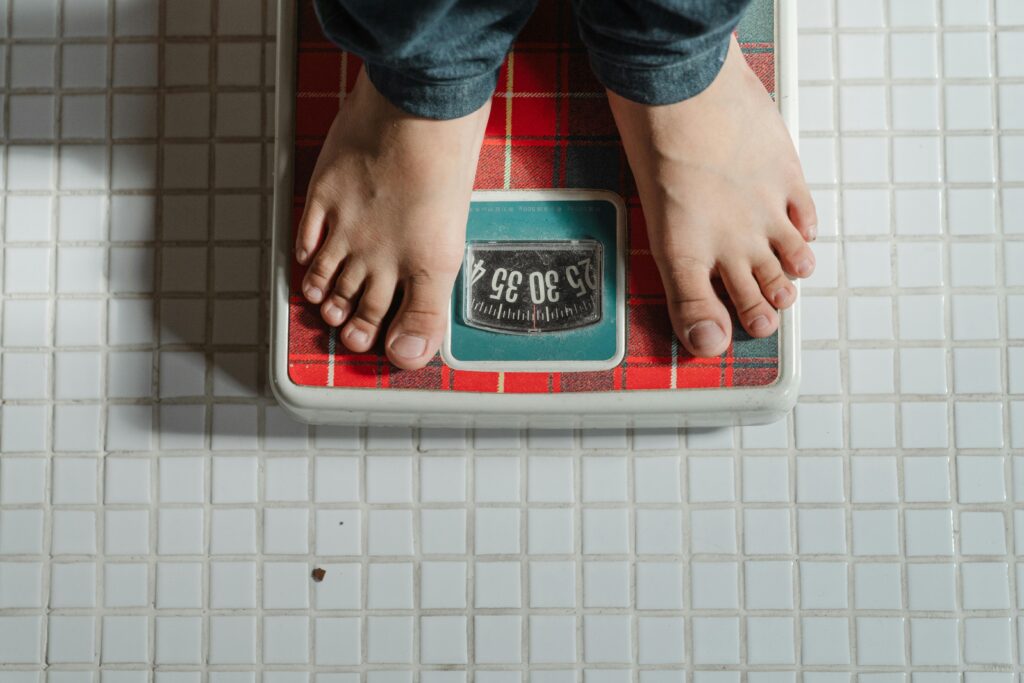
Wondering if lifting weights is necessary to lose weight? Get the honest answer, plus beginner-friendly workout plans to help you lose fat and keep it off.
You’ve probably asked yourself this at some point. Maybe you’ve been doing cardio for months, eating well, and still not seeing the results you were hoping for. Or maybe someone told you that you need to hit the weights room, and now you’re not sure if they’re right or if you’re just going to end up looking bulky and exhausted.
Here’s the thing: this question comes up constantly, and the answer is a bit more nuanced than a simple yes or no. So let’s break it down properly.
In this post, I’ll explain how weight loss actually works, whether lifting weights is necessary, how it compares to cardio for fat loss specifically, and what the research actually says about keeping weight off long term. By the end, you’ll have a clear picture of what approach makes the most sense for you, and a few simple plans to choose from.
How Weight Loss Actually Works (Calories, Not Magic)
Before we get into lifting versus cardio, we need to cover the basics, because a lot of confusion comes from skipping this part.
Weight loss comes down to one thing: a calorie deficit. That means you’re burning more energy than you’re taking in. When that happens consistently over time, your body draws on stored energy (mostly fat) to make up the difference, and you lose weight.
That’s it. There’s no magic exercise, no special diet, no trick. The calorie deficit is the mechanism. Everything else, including what you eat, how you move, how you sleep, and yes, whether you lift weights, is just a different way of influencing that deficit.
Now, here’s where it gets interesting. Diet tends to have a much bigger impact on the deficit than exercise does. A 45-minute walk might burn 250 calories. A standard serve of chips or a couple of biscuits puts those calories straight back. That’s not to say exercise doesn’t matter, it absolutely does, but most people overestimate how many calories they burn during a workout and underestimate how much they’re eating.
So where do lifting weights and cardio fit in? They’re two different tools for burning energy, preserving or building muscle, and improving your overall health. But the calorie deficit still has to happen. No exercise modality bypasses that.
Do You Need to Lift Weights to Lose Weight?
Short answer: no.
You can absolutely lose weight without ever touching a dumbbell. If you eat in a calorie deficit consistently, the scale will go down. Cardio, walking, swimming, dancing, chasing your kids around the backyard, all of it counts.
But here’s the part that matters, and this is what most people don’t hear until they’re already frustrated: what you lose can vary significantly depending on whether you include strength training.
When you lose weight without any resistance training, a meaningful portion of that weight loss tends to come from muscle, not just fat. Studies consistently show that people who diet without any form of resistance work lose somewhere between 20 and 40 percent of their weight from lean mass, not just body fat. That matters for a few reasons.
First, muscle is metabolically active. The more of it you have, the more calories your body burns at rest. Lose muscle, and your resting calorie burn drops, making it harder to maintain your results over time.
Second, muscle is what gives you the ‘toned’ look that most people are actually aiming for. The scale might show the same number whether you’ve lost fat or muscle, but how you look and feel will be quite different.
So: you don’t need to lift weights for the scale to go down. But lifting weights is highly beneficial if you want to lose fat rather than just weight, improve your body composition, and actually maintain your results.
Cardio vs Weights for Fat Loss, What Actually Works?
What Cardio Does for Weight Loss
Cardio burns calories during the session. A moderate-paced walk, a swim, a cycle, a jog, all of these increase your energy expenditure while you’re doing them, which helps create or deepen your calorie deficit.
The pros: it’s easy to get started with, it’s flexible (you can do it at any intensity), it’s good for your heart and lungs, and it doesn’t require any equipment. A daily walk is genuinely one of the most underrated fat loss tools available.
The cons: cardio on its own doesn’t do much to preserve or build muscle. Over time, especially if you’re doing a lot of it at a high intensity, it can actually contribute to muscle loss alongside fat loss. It also doesn’t significantly raise your resting metabolic rate the way strength training does, so once you stop doing the cardio, the calorie burn stops too.
What Lifting Weights Does for Weight Loss
Resistance training works differently. During the session, you may not burn as many calories as a solid cardio workout, but the effects extend well beyond the session itself.
When you challenge your muscles with resistance work, your body repairs and adapts the muscle tissue afterwards. This repair process burns energy, sometimes for 24 to 48 hours after the session. That’s often called the ‘afterburn effect,’ and while it’s not enormous, it adds up over time.
More importantly, weight training for weight loss helps you hold onto the muscle you already have while you’re in a calorie deficit. And if you’re a beginner or haven’t trained in a while, you may even build some new muscle at the same time as you’re losing fat, which is sometimes called body recomposition.
The result? Better body composition, a higher resting metabolic rate, improved strength and function in everyday life, and a much stronger foundation for keeping the weight off once you’ve lost it.
Which Is Better for Fat Loss?
The research is pretty consistent on this: a combination of both tends to produce the best results for fat loss specifically (as opposed to just scale weight).
But if you’re forced to choose one? For most beginners, adding strength training provides more return on investment over the long run. You lose fat more effectively, preserve muscle, and set yourself up much better for maintenance.
That said, the best exercise for fat loss is the one you’ll actually do consistently. A programme you hate and abandon after two weeks beats nothing only marginally. If you genuinely love running and hate weights, starting with what you love and layering in some basic resistance work over time is a completely valid approach.
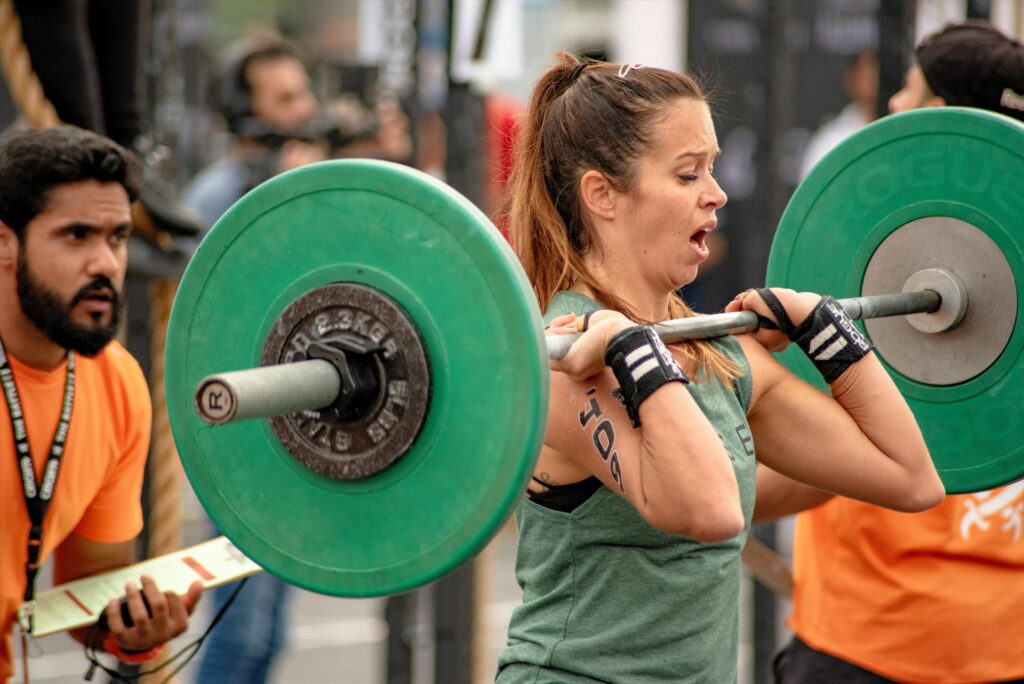
Common Questions About Lifting Weights and Weight Loss
Can I Lose Weight Without Lifting Weights?
Yes, absolutely. If you’re in a calorie deficit, the scale will go down whether you lift weights or not. Walking, swimming, cycling, dancing, or simply eating a bit less, these all work.
The likely downside is that more of what you lose will come from muscle rather than fat, which can leave you feeling softer, weaker, and more prone to regaining weight later. But for getting the scale to move? Lifting weights is not a requirement.
Can You Lose Weight with Just Cardio and No Weights?
Yes. Cardio only can absolutely produce weight loss if your calorie intake is in check.
The risks with a purely cardio approach are: muscle loss over time, a potential plateau as your body adapts and becomes more efficient at the activity, and a higher time demand to generate the same calorie burn as you get fitter. Many people also find that cardio increases appetite significantly, which can unknowingly offset the deficit.
If the gym feels overwhelming and you’re not ready for strength training yet, starting with walking and building up from there is a completely reasonable first step. Just consider adding some basic bodyweight or resistance band work once you’ve found your rhythm.
Can You Lose Fat by Just Lifting Weights?
Yes, you can, as long as your diet creates a calorie deficit. Lifting weights burns energy during the session and in the recovery period afterwards.
One thing worth noting: people who lift weights regularly also tend to move more throughout the day in non-exercise ways, things like taking the stairs, fidgeting, walking further. This is sometimes called NEAT (non-exercise activity thermogenesis), and it can contribute meaningfully to your overall calorie burn even if you’re not formally ‘doing cardio.’
Do I Need to Lift Weights to Lose Belly Fat?
Here’s the honest answer: you cannot spot-reduce fat from any specific area of your body. No amount of crunches will selectively burn belly fat. Fat loss happens across your whole body in a pattern largely determined by genetics and hormones.
What does change the appearance of your midsection? Overall fat loss through a consistent calorie deficit, combined with building some muscle in that area through strength training. Sleep also matters a lot here. Poor sleep drives up cortisol (a stress hormone), which is strongly linked to fat storage around the abdomen. Alcohol is another factor worth thinking about if belly fat is a specific concern.
So while you don’t need to lift weights to lose belly fat, a combination of strength training, a modest calorie deficit, better sleep, and lower stress will get you there faster than cardio alone.
Do I Need Strength Training to Keep Weight Off Long Term?
This is where the case for lifting weights becomes really compelling.
Research consistently shows that people who maintain long-term weight loss are almost universally physically active, and strength training in particular appears to be one of the strongest predictors of keeping weight off. The reason comes back to muscle mass and metabolism.
When you lose weight, your metabolism slows. That’s normal. But if you’ve preserved or built muscle through strength training, that slowdown is significantly less severe. People who lose weight through diet and cardio alone tend to experience a greater drop in resting metabolic rate, which makes it much easier to regain weight once they return to normal eating.
Think of strength training as an insurance policy for your results. You don’t have to do it to lose weight. But if you want to keep it off, it’s about as close to essential as you can get.
Can I Lose Weight Just by Eating in a Calorie Deficit Without Exercise?
Yes. Diet alone will create weight loss if the deficit is consistent. Some people manage this quite successfully, particularly those who struggle with exercise due to injury, disability, or other constraints.
The trade-offs are real though. Without any movement, you’ll lose more muscle alongside fat. Your cardiovascular health won’t improve the way it would with exercise. And the research on long-term maintenance strongly favours people who combine dietary changes with regular physical activity.
Even light activity, a daily walk, some bodyweight movements, basic resistance band work, makes a meaningful difference to both your results and how you feel. You don’t need to become an athlete. You just need to move more than you currently do.
How Often Should You Lift Weights for Weight Loss?
You don’t need to be in the gym six days a week. For most people starting out, two to three full-body strength sessions per week is plenty to get real results.
Aim for sessions of around 45 to 60 minutes, focusing on compound movements, exercises that work multiple muscle groups at once. Think squats, hinges (like a deadlift or Romanian deadlift), pushing movements (like a push-up or overhead press), and pulling movements (like a row or lat pulldown). These give you the most return for your time.
Progressive overload is the key principle: over time, you want to gradually increase the challenge, whether that’s adding a little weight, doing an extra rep, or reducing rest time. Your muscles adapt quickly, and they need to be progressively challenged to keep responding.
As a beginner, you don’t need to track this obsessively. Just make sure the last few reps of each set feel genuinely challenging. If you’re breezing through every set without any effort, the weight is too light to drive meaningful adaptation.
What If You Hate Lifting or Feel Intimidated?
This is genuinely common. Walking into a gym for the first time, especially the weights section, can feel deeply uncomfortable. The equipment looks confusing, everyone else seems to know what they’re doing, and the last thing you want is to feel like you’re doing it wrong in public.
Here’s the good news: you don’t need a gym at all to start strength training. Bodyweight exercises at home, a couple of resistance bands, or even a set of light dumbbells are genuinely effective, especially in the early stages when your body responds to almost anything new.
Start simple. Two or three 20 to 30-minute sessions per week doing basic movements: squats, push-ups, hip hinges, rows with a band. That’s it. Build the habit first, then add complexity as your confidence grows.
And about the ‘getting bulky’ concern: this comes up constantly, and it’s worth addressing directly. Building significant muscle mass requires very specific conditions, high calorie intake, very heavy loads, and years of consistent training. Women in particular have much lower testosterone levels than men, which makes significant muscle hypertrophy quite unlikely from a standard beginner strength programme. What you’ll more likely notice is feeling firmer, stronger, and more capable, which tends to look and feel quite different from what most people imagine when they worry about ‘getting bulky.’
Sample Weekly Fat Loss Workout Plans
Here are three beginner-friendly approaches depending on where you’re starting from. Pick the one that fits your current life and preferences, then adjust as you go.
Plan A: Cardio-Heavy with Minimal Lifting (Great Starting Point) | |
Monday | 30-minute brisk walk |
Tuesday | Full body strength session (30 min, bodyweight or light dumbbells) |
Wednesday | 30-40 minute walk or swim |
Thursday | Rest or gentle stretching |
Friday | Full body strength session (30 min) |
Saturday | 45-minute walk, cycle, or low-intensity cardio of choice |
Sunday | Rest |
Plan B: Balanced Plan (Strength + Cardio Mix) | |
Monday | Full body strength session (45 min) |
Tuesday | 30-minute walk or light cardio |
Wednesday | Full body strength session (45 min) |
Thursday | Rest or 20-minute walk |
Friday | Full body strength session (45 min) |
Saturday | 45-minute cardio: walk, cycle, swim, or dance class |
Sunday | Rest |
Plan C: Weights-Focused with Lifestyle Movement | |
Monday | Full body strength session (45-60 min) |
Tuesday | Daily steps target (aim for 8,000-10,000 steps) |
Wednesday | Full body strength session (45-60 min) |
Thursday | Daily steps + light mobility or stretching |
Friday | Full body strength session (45-60 min) |
Saturday | Active day: walk, garden, household movement |
Sunday | Rest and recovery |
All three plans work. The best one is the one you’ll actually stick to this week, and next week, and the week after that.
Special Considerations Worth Knowing
Over 40 or Over 50?
Strength training becomes increasingly important as we get older. From our mid-30s onwards, we naturally start losing muscle mass at a rate of around 1 percent per year. This process accelerates after 50. Resistance training is one of the most effective tools available to slow this down, preserve bone density, support joint health, and maintain functional strength for everyday life.
The key for this age group is choosing joint-friendly movements. Machines can be gentler on the joints than free weights when you’re starting out. Resistance bands offer variable resistance with lower joint stress. And it’s always worth getting guidance from a physio or experienced trainer if you have any existing pain or injury.
Beginners with Injuries
An injury is not a reason to avoid exercise altogether. It’s a reason to choose the right kind. Working with a physiotherapist to identify movements that are safe and appropriate for your specific situation is genuinely worth it. Most injuries have workarounds that allow some form of strength training to continue.
Worried About Getting Bulky?
As mentioned earlier: this is very unlikely on a moderate deficit with standard beginner loads. Women have significantly lower testosterone than men. Without a calorie surplus and years of dedicated training, building the kind of muscular bulk most people are picturing simply isn’t how the physiology works. What you’re much more likely to experience is feeling leaner, firmer, and stronger. That’s a very different thing.
Putting It All Together, What You Actually Need to Do
Let’s bring it back to the original question.
No, you do not need to lift weights for the scale to go down. A calorie deficit is what drives weight loss, and you can create that through diet, walking, cardio, or any combination of movement you choose.
But yes, some form of strength training is strongly recommended if your goal is fat loss (not just weight loss), a better-looking body composition, feeling strong and capable, and keeping the weight off once you’ve lost it. The evidence for that is consistent and compelling.
Your Simple Starting Action Plan
You don’t need to overhaul everything at once. Start here:
- Set a daily step target. 7,000 to 10,000 steps per day is a good starting range if you’re currently sedentary.
- Sort out your calorie intake. A modest deficit of around 300 to 500 calories per day is sustainable and effective. You don’t need to track obsessively, but having a rough idea of where you’re at helps.
- Add two to three basic strength sessions per week. Use any of the plans above, or start even simpler with two 20-minute bodyweight sessions at home.
- Be consistent rather than perfect. A mediocre session you actually did is worth infinitely more than a perfect session you skipped.
Pick one of the plans above and start this week. You can adjust as you go. The goal isn’t to get it perfect from day one. The goal is to build a consistent practice that fits into your actual life.
Key Takeaways
- You do not need to lift weights for the scale to go down. A calorie deficit drives weight loss regardless of the exercise you choose.
- Lifting weights helps preserve muscle during weight loss, which improves body composition, boosts resting metabolic rate, and makes maintaining your results far easier long term.
- Cardio burns calories during the session but has less impact on muscle retention and resting metabolism compared to strength training.
- A combination of both tends to produce the best fat loss results, but the best plan is the one you can stick to consistently.
- 2 to 3 full body strength sessions per week is enough for meaningful results as a beginner.
The ‘getting bulky’ concern is largely unfounded for most women. Expect to feel leaner, stronger, and more energised, not bigger.
If you found this helpful, you might also want to read our post on how to set realistic weight loss goals that actually work. It covers exactly how to structure your targets so they hold up in real life, not just in theory.
And if you’re looking for a more guided approach, a step-by-step programme built around everything covered here, we’re putting together something for the SlimStrongSquad community soon. Keep an eye out.