Meta Description: Learn simple ways to track your weight loss and fitness progress beyond the scale. These easy methods keep you motivated and show real results.
Introduction
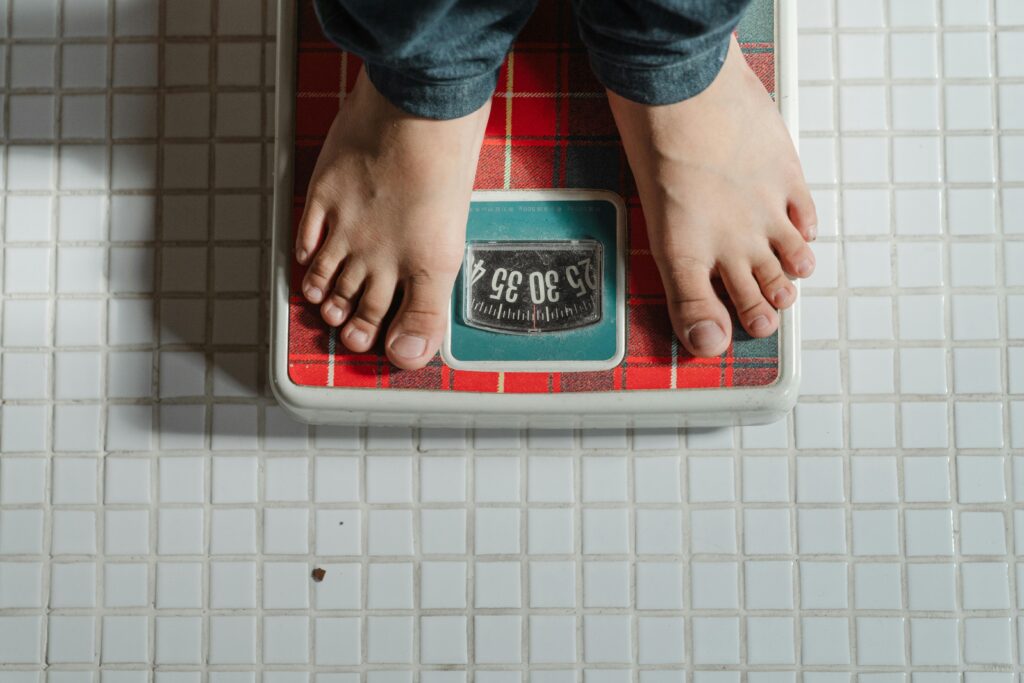
Imagine this: You’ve been eating better and working out consistently for three weeks. You step on the scale expecting to see a significant drop. Instead, it’s barely moved—or worse, it’s up a pound.
Frustrating, right? This is the moment many people quit.
Here’s the problem: relying solely on the scale to measure progress is like judging a book by looking at just one page. You’re missing the full story of what’s actually happening in your body.
The truth is, tracking your progress is one of the most powerful motivators in any weight loss or fitness journey. But you need to track the right things in the right ways. When you do, you’ll see changes the scale can’t show you—changes that prove your hard work is paying off.
This guide will show you how to track your weight loss progress using multiple methods that actually work. We’ll cover easy ways to track fitness progress, the best tools for tracking weight loss, and how to measure progress without the scale becoming your only measure of success.
By the end, you’ll have a complete system for tracking your progress for weight loss that keeps you motivated, accountable, and confident that you’re moving in the right direction—even when the scale doesn’t cooperate.
Let’s dive in.
Why Tracking Your Progress Matters
Before we get into the “how,” let’s talk about the “why.” Understanding why progress tracking is so powerful will help you stick with it.
Keeps You Accountable
When you track your progress, you’re creating a record of your commitment to yourself. You’re documenting:
- The workouts you completed
- The healthy meals you ate
- The measurements that are changing
- The improvements in strength and energy
This accountability isn’t about judgment—it’s about awareness. You can’t improve what you don’t measure. Tracking helps you stay honest about your efforts and results.
Helps Identify What’s Working (and What Isn’t)
Without tracking, you’re flying blind. You might think you’re eating well and exercising enough, but the data tells the real story.
When you track multiple metrics, you can see patterns:
- “I lost inches but not weight—I must be building muscle”
- “I haven’t been sleeping well, which might explain my plateau”
- “When I meal prep on Sundays, I stay consistent all week”
- “My energy is way better even though the scale hasn’t moved much”
This information is gold. It shows you what to keep doing and what to adjust.
Reinforces Positive Habits
Every time you log a workout, take progress photos, or record your measurements, you’re reinforcing your identity as someone who takes care of their health.
These small acts of tracking say: “I’m the kind of person who follows through. I’m committed to this journey.”
Over time, this builds incredible momentum and self-trust.
Prevents Frustration When the Scale Doesn’t Move
This might be the most important benefit: tracking multiple forms of progress protects you from scale-induced discouragement.
When you have evidence that:
- You’re getting stronger (lifting heavier weights)
- Your clothes fit better
- You’ve lost inches around your waist
- Your energy and mood have improved
- You’re sleeping better
Then one stubborn week on the scale doesn’t derail you. You have proof that your body is changing, even if the scale hasn’t caught up yet.
Common Mistakes People Make When Tracking Progress
Knowing what not to do is just as important as knowing what to do. Avoid these common traps.
Relying Only on the Scale
The mistake: Using your weight as the only measure of success
Why it’s a problem: Your weight fluctuates daily by 1-2 kilograms (2-4 pounds) due to:
- Water retention from sodium, carbs, or hormones
- Digestive contents
- Inflammation from exercise
- Menstrual cycle
- Stress levels
You could be losing fat and building muscle (which changes your body composition dramatically) while the scale barely moves.
The fix: Use the scale as one data point among many, not the only measure of progress.
Not Tracking Regularly
The mistake: Taking measurements sporadically or only tracking when you “feel” like you’ve made progress
Why it’s a problem: Inconsistent tracking makes it impossible to see patterns or measure real change. You can’t compare data points if you’re not collecting them regularly.
The fix: Set a consistent schedule—weekly weigh-ins, monthly photos, measurements every 4 weeks—and stick to it.
Comparing Your Progress to Others
The mistake: Seeing someone else’s transformation and feeling discouraged because yours looks different
Why it’s a problem: Everyone’s body responds differently based on genetics, starting point, age, hormones, and dozens of other factors. Someone else’s timeline has nothing to do with yours.
The fix: Only compare yourself to who you were last week, last month, or last year. Your only competition is your past self.
Ignoring Non-Scale Victories
The mistake: Dismissing improvements that aren’t related to weight loss
Why it’s a problem: You miss celebrating incredible progress like better sleep, more energy, improved mood, increased strength, and better overall health—all of which matter more than the number on the scale.
The fix: Actively track and celebrate non-scale victories. They’re evidence that you’re becoming healthier, which is the real goal.
Simple Ways to Track Your Weight Loss and Fitness Progress
Now let’s get practical. Here are the most effective progress tracking tips for beginners that don’t require expensive tools or complicated systems.
1. Progress Photos
Progress photos are often the most motivating form of tracking because they show visual changes the scale can’t capture.
How to take effective progress photos:
- Frequency: Every 2-4 weeks (not more often—changes take time to show)
- Timing: Same time of day (morning is best, before eating)
- Clothing: Same outfit each time (sports bra/shorts or fitted clothes)
- Lighting: Same location with consistent, good lighting
- Angles: Front, side, and back views
- Posture: Stand naturally, same stance each time
Why progress photos matter more than numbers:
You might lose 8 pounds and think, “That’s not much,” but when you compare photos, you’ll see dramatic differences:
- Face looks slimmer
- Waist is more defined
- Arms look more toned
- Overall silhouette has changed
Visual evidence is powerful. It shows you what you might not see in the mirror when you look at yourself every day.
Storage tip: Create a private album on your phone labeled “Progress” and date each photo. Looking back after a few months is incredibly motivating.
2. Body Measurements
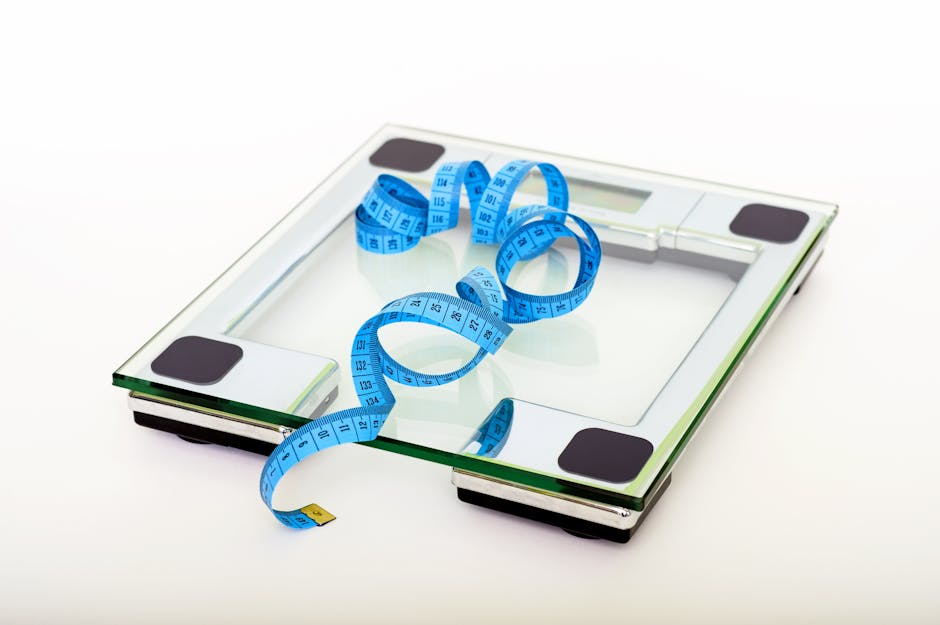
Track your body measurements for fat loss to see changes the scale might miss, especially when you’re building muscle while losing fat.
Key areas to measure:
- Waist: Measure at the narrowest point (usually just above belly button)
- Hips: Measure at the widest part
- Chest: Measure around the fullest part
- Upper arms: Measure around the largest part (relaxed, not flexed)
- Thighs: Measure around the largest part, same spot each time
How to measure correctly:
- Use a flexible measuring tape (sewing/tailor’s tape)
- Measure on bare skin, not over clothes
- Keep tape snug but not tight
- Measure at the same time of day (morning is ideal)
- Record measurements immediately—don’t rely on memory
How often to measure:
Every 4 weeks is perfect. Measuring more frequently can be discouraging because changes happen slowly. Monthly measurements show real trends.
Recording your measurements:
Use a simple notebook, spreadsheet, or body measurement app. Include the date with each set of measurements so you can track changes over time.
Many women lose 2-3 inches around their waist while losing only 5 pounds on the scale. Those inches make a huge difference in how you look and feel.
3. Fitness Milestones
Tracking improvements in strength, stamina, and flexibility shows functional progress—what your body can actually do.
What to track:
Strength improvements:
- Weight you can lift for each exercise
- Number of push-ups you can complete
- How long you can hold a plank
- Number of full squats or lunges
Endurance improvements:
- Distance you can walk/run
- Time it takes to complete a route
- How you feel during and after cardio (less winded, faster recovery)
- Heart rate recovery
Flexibility improvements:
- Range of motion in stretches
- How deep you can squat
- Whether you can touch your toes
Examples of fitness milestones:
- “Last month I could only do 3 push-ups on my knees. Today I did 10!”
- “I used to get winded walking up stairs. Now I can take them two at a time.”
- “I started squatting with just my bodyweight. Now I use 15-pound dumbbells.”
- “My 20-minute walk used to leave me exhausted. Now I feel energized.”
These victories prove you’re getting stronger and healthier. They’re evidence of real, functional improvement that impacts your daily life.
4. Journaling and Apps
Using a fitness or food tracking app combined with simple journaling creates a comprehensive picture of your progress.
Best tools for tracking weight loss:
- MyFitnessPal: The most popular app for tracking food, calories, weight, and measurements. Free version has everything most people need.
- Fitbit or Apple Health: Tracks steps, activity, sleep, heart rate, and can sync with other apps. Great for seeing overall lifestyle patterns.
- Cronometer: More detailed nutritional tracking if you want to monitor specific nutrients (especially useful for tracking protein).
- Lose It!: Similar to MyFitnessPal with a simpler interface some people prefer.
- Strong or JEFIT: Specifically for tracking gym workouts, sets, reps, and weights.
How to use a fitness journal effectively:
Beyond apps, keep a simple daily note (physical notebook or phone notes) tracking:
- Energy levels: 1-10 scale each day
- Sleep quality: How many hours, how rested you feel
- Mood: Any patterns between your habits and how you feel
- Challenges: What made today hard (stress, poor planning, etc.)
- Wins: What went well, even if small
This qualitative data is just as valuable as numbers. You’ll notice patterns like:
- “I always feel better when I exercise in the morning”
- “Poor sleep makes me crave sugar the next day”
- “Meal prepping on Sunday sets me up for success all week”
5. Clothing Fit
Sometimes the best measurement is how your favorite pair of jeans fits.
Why clothing fit matters:
When you’re losing fat and potentially building muscle, your body composition changes in ways the scale doesn’t reflect. Your clothes will tell the truth:
- Jeans that were uncomfortably tight now fit perfectly
- Shirts that clung to your stomach now hang loosely
- Belts need to be tightened a notch (or two)
- Rings slide around on your fingers
- Watch bands feel looser
How to track clothing fit:
Pick 2-3 specific items as your “benchmark”:
- A pair of jeans that fits snugly (or is too tight)
- A dress or shirt that shows your shape
- A belt
Try them on every 2-4 weeks and note:
- How does it fit compared to last time?
- What feels different?
- Are you wearing a smaller size?
Take photos of yourself wearing these items to document the changes. Many women fit into jeans 2 sizes smaller while losing only 10-15 pounds because body composition matters more than weight alone.
What to Do When Progress Feels Slow
Even with great tracking systems, you’ll have periods where progress stalls. Here’s how to push through.
Focus on Habits, Not Perfection
When results slow down, return to the basics. Ask yourself:
- Am I consistently eating in a calorie deficit?
- Am I moving my body regularly?
- Am I getting adequate sleep?
- Am I managing stress effectively?
- Am I staying hydrated?
If you’re doing these things consistently, progress will come. Sometimes your body just needs time to catch up.
Celebrate Non-Scale Victories
Look at your tracking data for evidence of progress:
Health improvements:
- Better sleep
- More stable energy throughout the day
- Improved digestion
- Less bloating
- Clearer skin
Performance improvements:
- Completing workouts that used to be impossible
- Lifting heavier weights
- Walking farther or faster
- Better flexibility and mobility
Mental and emotional improvements:
- More confidence
- Better mood
- Less anxiety
- Sense of pride and accomplishment
- Feeling in control of your health
These victories matter. They’re proof your body is changing for the better.
Reassess Calories, Sleep, or Training Consistency
If you’ve genuinely plateaued for 4+ weeks with no changes in any metric, it’s time to adjust:
Check your calorie intake:
- Are you tracking accurately?
- Have portion sizes crept up?
- Are weekends undoing weekday progress?
- Are hidden calories sneaking in (cooking oils, beverages, “tastes” while cooking)?
Evaluate your sleep:
- Are you getting 7-8 hours consistently?
- Poor sleep disrupts hunger hormones and makes weight loss harder
Review your training:
- Has your activity level decreased?
- Do you need to add intensity or variety?
- Are you actually completing planned workouts?
Make small adjustments—reduce portions by 10%, add one more workout per week, prioritize better sleep—and give it another 2-3 weeks before judging results.
Tools and Apps That Make Tracking Easy
You don’t need expensive equipment, but the right tools can make progress tracking much simpler.
Best Free and Affordable Options
MyFitnessPal (Free or $10/month Premium)
- Track food, calories, macros
- Log weight and measurements
- Scan barcodes for quick entry
- Largest food database
- Premium adds meal planning and detailed insights
Fitbit App / Apple Health (Free with device)
- Track steps, activity, heart rate
- Monitor sleep patterns
- Log workouts
- Track weight trends
- See daily, weekly, monthly patterns
Body Measurement Apps
- BodyTrack (Free): Simple body measurement tracking with progress charts
- MyFitnessPal or Lose It!: Both include measurement tracking built-in
- Simple spreadsheet: Google Sheets or Excel works perfectly for tracking measurements over time
- Habit Tracking Apps
- Habitica (Free): Gamifies habit tracking—earn points and rewards
- Streaks (iOS, $5 one-time): Simple, beautiful interface for tracking daily habits
- HabitBull (Free/Premium): Flexible habit tracker with reminders and statistics
What You Actually Need
At minimum, you need:
- A scale (basic digital scale, $20-30)
- Measuring tape (fabric/tailor’s tape, $5-10)
- Your phone’s camera (for progress photos)
- A notebook or app (for logging data)
That’s it. You don’t need expensive body composition scales, fitness trackers, or premium apps. The best tracking system is the one you’ll actually use consistently.
How to Use Tracking to Stay Motivated Long-Term
Tracking isn’t just about collecting data—it’s about using that data to stay motivated and make smart adjustments.
Set Monthly Mini-Goals Based on Progress Data
Every 4 weeks, review your tracking data and set goals for the next month:
Based on your data, what’s realistic?
If you’ve been losing 0.5-1 kg per week:
- “I’ll aim to lose another 2-3 kg this month”
If your strength is improving:
- “I’ll add 2 kg to my squat weight”
- “I’ll work up to 15 push-ups”
If your measurements are changing:
- “I’ll aim to lose another inch around my waist”
If your habits are solid:
- “I’ll maintain consistency—4 workouts per week”
These mini-goals keep you focused and give you something concrete to work toward.
Reward Consistency, Not Just Results
Create rewards for showing up, not just for hitting numbers:
Consistency rewards:
- Logged food every day for a month → new workout clothes
- Completed all planned workouts for 6 weeks → massage or pedicure
- Took progress photos every month for 3 months → new fitness accessory
This reinforces that the process matters, not just the outcome.
Reflect Every 4-6 Weeks on What’s Improving
Set aside time every month or two to review all your tracking data:
- Compare progress photos
- Look at measurement changes
- Review fitness improvements
- Read journal entries from weeks ago
- Notice energy and mood patterns
Ask yourself:
- What’s working really well?
- What needs adjustment?
- What am I most proud of?
- What non-scale victories have I experienced?
This reflection keeps you connected to the bigger picture and helps you see progress you might otherwise miss.
➤ [Insert personal experience about how reviewing your tracking data at a low point showed you progress you didn’t realize you’d made and renewed your motivation]
Key Takeaways: Keep It Simple and Consistent
Let’s summarize the most important points about how to stay motivated by tracking results:
Track Multiple Forms of Progress
Never rely on just one metric. Use a combination of:
- Weekly weigh-ins (same day, same time)
- Monthly progress photos
- Body measurements every 4 weeks
- Fitness milestone tracking
- How clothes fit
- Non-scale victories (energy, sleep, mood, strength)
When one metric plateaus, others will show progress.
Stay Consistent
Track on a regular schedule:
- Weigh weekly (not daily)
- Photos every 2-4 weeks
- Measurements monthly
- Daily habit and food logging
- Weekly reflection in your journal
Consistency in tracking shows you patterns and trends that sporadic tracking can’t reveal.
Use Tracking as Motivation, Not Pressure
Tracking should empower you, not stress you out. If tracking feels like it’s creating anxiety:
- Take a break from daily weighing
- Focus on habit tracking instead of outcome tracking
- Emphasize non-scale victories
- Remember that data is just information, not judgment
The goal is self-awareness and motivation, never punishment or obsession.
FAQ Section
Q1: How often should I track my progress?
Weight: Once per week, same day and time (e.g., Friday mornings)
Photos: Every 2-4 weeks (more frequent won’t show visible changes)
Measurements: Every 4 weeks
Food/habits: Daily (or most days) for best results and awareness
Fitness milestones: As they occur (new personal records, endurance improvements)
Reflection: Monthly reviews of all your data
Weekly tracking keeps you accountable without becoming obsessive. Monthly reviews show real trends.
Q2: What if my weight doesn’t change but I look different?
This is actually great news! It means you’re recomping—losing fat while building or maintaining muscle.
Muscle is denser than fat, so you can look significantly leaner and more toned while the scale stays the same. This is why:
- Progress photos show dramatic changes
- Measurements decrease (especially waist)
- Clothes fit better
- You look more defined
Body composition matters far more than weight. If you look and feel better, you’re succeeding—regardless of what the scale says.
Q3: Do I need expensive tools to track progress?
No. The basics are surprisingly affordable:
Essential (under $50 total):
- Basic digital scale ($20-30)
- Fabric measuring tape ($5-10)
- Free apps (MyFitnessPal, phone camera)
- Notebook or spreadsheet (free)
Optional but nice:
- Fitness tracker like Fitbit ($50-150) for activity and sleep tracking
- Body composition scale ($40-80) for body fat estimates (but not essential)
- Premium app subscriptions ($5-15/month)
Start with the basics. You can always add tools later if you want them.
Q4: What’s the best way to stay consistent with tracking?
Make it part of your routine:
- Weigh yourself every Friday morning
- Take photos on the 1st of each month
- Log food immediately after meals
- Set phone reminders for tracking tasks
Keep it simple:
- Don’t track too many things at once
- Use apps that sync together (less manual entry)
- Focus on the metrics that motivate you most
Build accountability:
- Share goals with a friend
- Use apps with built-in reminders
- Pair tracking with existing habits (weigh yourself after your morning coffee)
Remember your why:
- Keep your deeper motivation visible
- Look at old progress when motivation dips
- Celebrate what tracking reveals
The easier you make tracking, the more likely you’ll stick with it.
Conclusion
Here’s what you need to remember: tracking your progress isn’t about obsessing over numbers or being perfect. It’s about creating awareness of what’s actually happening in your body so you can stay motivated and make smart adjustments.
When you track fitness goals at home using multiple methods—weight, photos, measurements, fitness improvements, and how you feel—you create a complete picture of your transformation. You protect yourself from scale-induced frustration. You give yourself evidence that your hard work is paying off.
Small changes add up to remarkable transformations, but only if you’re paying attention to them. That’s what tracking gives you: the ability to see progress you’d otherwise miss.
You don’t need fancy equipment or complicated systems. You just need:
- A scale and measuring tape
- Your phone’s camera
- An app or notebook
- Consistency
Start today. Choose one method from this guide—maybe progress photos or body measurements—and commit to tracking it consistently for the next month. Four weeks from now, when you compare your data, you’ll have proof that you’re making progress. That proof will fuel your motivation. That motivation will drive more action. And that action will create the results you’re working toward.
Remember: tracking is a form of self-awareness and self-care, not perfection. It’s you showing up for yourself, paying attention, and honoring your commitment to become healthier and stronger.
You’re doing this. The tracking will prove it.
Now go take that first progress photo, record your measurements, or log today’s workout. Your future self will thank you for starting today.