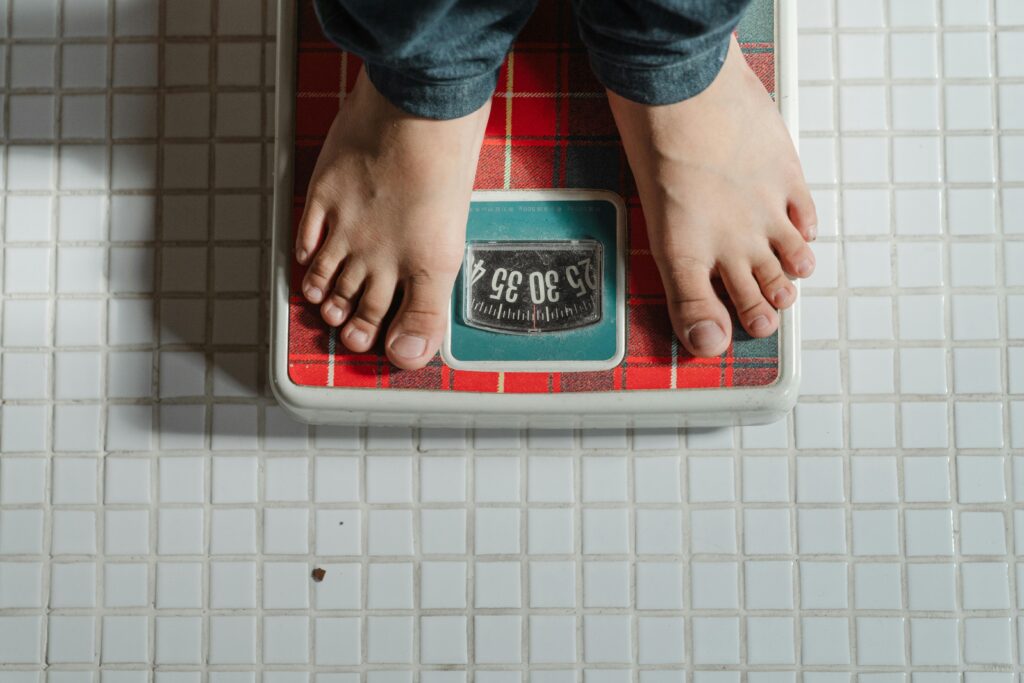
When most people think about weight loss, they immediately focus on diet and exercise – counting calories, hitting the gym, and trying the latest fitness trends. However, there’s one crucial factor that’s often completely overlooked in weight loss plans: sleep. The connection between sleep and weight loss is so profound that it could be the missing piece in your weight loss puzzle.
Quality sleep isn’t just about feeling rested; it’s a powerful biological process that directly influences your metabolism, hunger hormones, exercise performance, and your body’s ability to burn fat effectively. The importance of sleep extends far beyond simply avoiding fatigue, it’s a fundamental pillar of health that can make or break your weight loss efforts.
If you’ve been struggling to lose weight despite following a strict diet and exercise routine, poor sleep might be sabotaging your progress without you even realizing it. Understanding how sleep affects weight loss and metabolism can transform your approach to healthy living and unlock the results you’ve been working so hard to achieve.
How Sleep Affects Your Weight
The Link Between Sleep and Metabolism
Your metabolism – the process by which your body converts food into energy – is intricately connected to your sleep patterns. During sleep, your body undergoes crucial metabolic processes that directly impact how efficiently you burn calories and store fat. When you consistently get quality sleep, your metabolic rate remains optimized, allowing your body to burn calories efficiently throughout the day.
Sleep deprivation disrupts these metabolic processes in several ways. Studies show that people who sleep less than 6-7 hours per night have a significantly slower metabolic rate compared to those who get adequate rest. This means that even if you’re eating the same number of calories and doing the same amount of exercise, lack of sleep can cause your body to burn fewer calories at rest.
The benefits of good sleep for losing weight extend to cellular metabolism as well. During deep sleep, your body repairs and regenerates cells, including those responsible for metabolic function. When this process is disrupted by poor sleep, your body’s ability to process nutrients efficiently decreases, leading to increased fat storage and reduced energy expenditure.
How Poor Sleep Affects Hunger Hormones (Ghrelin and Leptin)
Two key hormones control your appetite and feelings of fullness: ghrelin (the “hunger hormone”) and leptin (the “satiety hormone”). Sleep plays a critical role in regulating these hormones, and disruption of this balance is one of the primary reasons why lack of sleep causes weight gain.
When you don’t get enough sleep, your body produces more ghrelin, making you feel hungrier throughout the day. Simultaneously, sleep deprivation reduces leptin production, which means you don’t feel satisfied after eating and are more likely to continue eating beyond your body’s actual needs. This hormonal imbalance creates a perfect storm for overeating and weight gain.
Research demonstrates that people who sleep less than 6 hours per night have 30% higher ghrelin levels and 18% lower leptin levels compared to those who get 7-9 hours of sleep. This hormonal disruption doesn’t just affect how much you eat – it specifically increases cravings for high-calorie, high-carbohydrate foods that can derail your weight loss efforts.
Sleep Deprivation and Increased Cravings
Beyond hormonal changes, sleep deprivation directly affects the brain regions responsible for decision-making and impulse control, particularly around food choices. When you’re tired, the prefrontal cortex – the area of your brain responsible for rational decision-making – becomes less active, while the brain’s reward centers become hyperactive in response to food.
This neurological shift explains why you’re more likely to reach for sugary snacks, fast food, or oversized portions when you’re sleep-deprived. Your brain literally craves quick energy sources to compensate for fatigue, and these cravings are strongest for foods that provide immediate gratification but work against your weight loss goals.
Sleep-deprived individuals consume an average of 300-500 additional calories per day compared to well-rested people, with most of these extra calories coming from snacks and high-fat foods. These additional calories, consumed day after day, can easily translate to significant weight gain over time.
The Role of Sleep in Exercise and Recovery
How Sleep Improves Workout Performance
Quality sleep is essential for optimal exercise performance, and better workouts directly contribute to more effective weight loss. During sleep, your body replenishes energy stores, repairs muscle tissue, and consolidates the motor learning that improves your physical skills and coordination.
When you’re well-rested, you can exercise at higher intensities for longer periods, burn more calories during workouts, and maintain better form that prevents injury. Sleep-deprived individuals show decreased motivation to exercise, reduced endurance, slower reaction times, and impaired coordination – all factors that limit the effectiveness of their workouts.
Studies show that athletes who get adequate sleep demonstrate improved speed, accuracy, and overall performance compared to when they’re sleep-deprived. For weight loss purposes, this means that prioritizing sleep can help you get more out of every workout session, accelerating your progress toward your goals.
Sleep and Muscle Recovery After Training
Recovery is where the magic happens in fitness – it’s during rest periods that your body adapts to exercise stress, builds lean muscle mass, and improves metabolic efficiency. Sleep is the most important recovery period your body has, and how to improve sleep for weight loss includes understanding its crucial role in muscle recovery.
During deep sleep stages, your body releases growth hormone, which is essential for muscle repair and development. Adequate muscle mass is crucial for weight loss because muscle tissue burns significantly more calories at rest than fat tissue. When sleep deprivation impairs muscle recovery and growth, it directly impacts your metabolic rate and weight loss potential.
Poor sleep also increases cortisol levels and decreases testosterone production (in both men and women), creating a hormonal environment that favors muscle breakdown over muscle building. This means that without adequate sleep, you may actually lose muscle mass even while exercising regularly, ultimately slowing your metabolism and hindering long-term weight loss success.
Why Fatigue Can Reduce Physical Activity
Fatigue from poor sleep creates a cascade of reduced physical activity that extends far beyond formal exercise sessions. When you’re tired, you naturally move less throughout the day – taking elevators instead of stairs, driving instead of walking, and generally being more sedentary in your daily activities.
This reduction in non-exercise activity thermogenesis (NEAT) – the calories you burn through daily movement and fidgeting – can significantly impact your total daily energy expenditure. NEAT can account for 15-30% of your total daily calorie burn, so even small reductions in daily movement can substantially slow weight loss progress.
Additionally, when you’re fatigued, workouts feel more difficult and less enjoyable, making you more likely to skip exercise sessions or reduce workout intensity. This creates a negative cycle where poor sleep leads to reduced activity, which can further disrupt sleep patterns and compound the problem.
How Lack of Sleep Impacts Your Weight Loss Progress
Increased Stress Hormones (Cortisol)
Chronic sleep deprivation is a significant stressor on your body, leading to elevated cortisol levels that directly interfere with weight loss efforts. Cortisol, often called the “stress hormone,” promotes fat storage, particularly in the abdominal area, and breaks down muscle tissue to provide quick energy during perceived stress situations.
High cortisol levels also increase appetite and cravings for high-calorie foods, creating a double challenge for weight loss. When cortisol remains elevated due to poor sleep, your body essentially thinks it’s in survival mode and works to store energy (as fat) rather than burn it efficiently.
Managing cortisol through adequate sleep is one of the most effective weight loss tips that’s often overlooked. When you consistently get quality sleep, cortisol levels naturally regulate, creating a hormonal environment more conducive to fat burning and muscle preservation.
Poor Decision-Making and Emotional Eating
Sleep deprivation significantly impairs cognitive function, particularly in areas related to impulse control and emotional regulation. When you’re tired, you’re more likely to make poor food choices, eat in response to emotions rather than hunger, and abandon your healthy eating plans when faced with temptation.
The relationship between sleep and emotional eating is particularly strong. Sleep-deprived individuals are more likely to eat in response to stress, boredom, anxiety, or other emotions, often choosing high-calorie comfort foods that provide temporary emotional relief but sabotage long-term weight loss goals.
Furthermore, when you’re tired, planning and preparing healthy meals feels more difficult, making you more likely to rely on convenient but less healthy options like takeout, processed foods, or oversized portions. This pattern of poor decision-making compounds over time, significantly impacting weight loss progress.
Disrupted Blood Sugar and Fat Storage
Sleep plays a crucial role in glucose metabolism and insulin sensitivity. When you don’t get adequate sleep, your body’s ability to process carbohydrates efficiently becomes impaired, leading to higher blood sugar levels and increased insulin resistance.
Insulin resistance is particularly problematic for weight loss because it promotes fat storage, especially around the midsection, and makes it more difficult for your body to access stored fat for energy. This creates a situation where your body preferentially stores calories as fat rather than burning them for fuel.
Poor sleep also affects the timing of glucose release and insulin production, disrupting your body’s natural metabolic rhythms. This disruption can lead to increased hunger, particularly for sweet and starchy foods, and reduced satiety after meals, making it much more challenging to maintain the caloric deficit necessary for weight loss.
How to Improve Your Sleep for Weight Loss
Set a Consistent Sleep Schedule
One of the most powerful strategies for improving sleep quality is maintaining a consistent sleep schedule, even on weekends. Going to bed and waking up at the same time every day helps regulate your body’s internal clock, making it easier to fall asleep and wake up naturally.
Consistency is key because your body thrives on predictable patterns. When your sleep schedule varies significantly from day to day, it disrupts your circadian rhythms and can leave you feeling groggy and unfocused, even if you get adequate total sleep hours.
Start by choosing a bedtime that allows for 7-9 hours of sleep before you need to wake up, and stick to this schedule for at least 2-3 weeks to allow your body to adapt. You may need to gradually shift your current bedtime earlier or later by 15-30 minutes each night until you reach your target schedule.
Create a Relaxing Night-Time Routine
A calming pre-sleep routine signals to your body that it’s time to wind down and prepare for rest. This routine should begin 30-60 minutes before your intended bedtime and include activities that promote relaxation and sleepiness.
Effective nighttime routine activities include taking a warm bath or shower, reading a book, practicing gentle stretching or yoga, meditation, or listening to calming music. The key is choosing activities that you find genuinely relaxing and that don’t stimulate your mind or body.
Avoid stimulating activities in the hour before bed, such as intense exercise, work-related tasks, emotional conversations, or anything that might cause stress or excitement. These activities can make it much more difficult to transition into a restful state conducive to quality sleep.
Limit Screen Time and Stimulants Before Bed
The blue light emitted by phones, tablets, computers, and televisions can significantly disrupt your body’s natural sleep-wake cycle by suppressing melatonin production. Melatonin is the hormone that makes you feel sleepy, and when its production is disrupted, falling asleep becomes much more difficult.
Aim to avoid screens for at least one hour before bedtime, or use blue light filtering glasses or apps that reduce blue light emission in the evening hours. If you must use devices before bed, keep the screen brightness as low as possible and maintain a greater distance from your face.
Caffeine and alcohol can also significantly impact sleep quality. Caffeine can remain in your system for 6-8 hours, so avoid coffee, tea, chocolate, and other caffeinated beverages after 2 PM. While alcohol might make you feel drowsy initially, it disrupts sleep quality and can cause frequent wake-ups throughout the night.
Keep Your Bedroom Cool, Dark, and Quiet
Your sleep environment plays a crucial role in sleep quality and duration. The ideal bedroom temperature for sleep is between 60-67°F (15-19°C), as your body naturally cools down as you prepare for sleep, and a cooler room supports this natural process.
Darkness is equally important because even small amounts of light can disrupt melatonin production and sleep quality. Use blackout curtains, eye masks, or eliminate light sources like LED clocks or electronic device indicators. If complete darkness isn’t possible, try to minimize light exposure as much as possible.
Noise can also significantly impact sleep quality, even if it doesn’t fully wake you up. Use earplugs, a white noise machine, or a fan to mask disruptive sounds. If you live in a noisy environment, consistent background noise is often better than intermittent loud sounds that can disturb your sleep cycles.
How Much Sleep Do You Really Need?
Recommended Sleep Guidelines for Adults
Most adults need 7-9 hours of sleep per night for optimal health and weight loss benefits. However, sleep needs can vary slightly based on individual factors such as age, activity level, overall health, and genetic factors. The key is finding the amount of sleep that leaves you feeling refreshed and alert throughout the day.
Quality is just as important as quantity when it comes to sleep for weight loss. Seven hours of deep, uninterrupted sleep is more beneficial than nine hours of poor-quality, fragmented sleep. Focus on both getting adequate sleep duration and improving sleep quality through the strategies outlined above.
If you’re currently getting significantly less than 7 hours of sleep per night, don’t try to dramatically increase your sleep duration all at once. Gradually extend your sleep time by 15-30 minutes each week until you reach your target range, allowing your body to adapt to the new schedule.
Listening to Your Body’s Signals
While general guidelines provide a helpful starting point, learning to recognize your body’s individual sleep needs is crucial for optimizing both sleep and weight loss. Pay attention to how you feel with different amounts of sleep and adjust accordingly.
Signs that you’re getting adequate sleep include waking up feeling refreshed, maintaining steady energy levels throughout the day, having good concentration and mood, and not relying heavily on caffeine to stay alert. If you’re experiencing daytime fatigue, difficulty concentrating, mood swings, or strong caffeine dependence, you likely need more or better quality sleep.
Your sleep needs may also change based on factors like stress levels, physical activity, illness, or life circumstances. Be flexible and willing to adjust your sleep schedule when your body’s needs change, rather than rigidly sticking to a specific number of hours regardless of how you feel.
Tracking Your Sleep Patterns
Monitoring your sleep patterns can provide valuable insights into how sleep affects your energy, mood, hunger levels, and weight loss progress. Many smartphones have built-in sleep tracking features, or you can use dedicated sleep tracking apps or wearable devices.
Track not just sleep duration, but also sleep quality indicators such as how long it takes you to fall asleep, how often you wake up during the night, and how refreshed you feel in the morning. Also note factors that might affect your sleep, such as caffeine consumption, exercise timing, stress levels, or screen time before bed.
Look for patterns between your sleep and other aspects of your health and weight loss journey. You might notice that after poor sleep nights, you’re hungrier, make worse food choices, or have less motivation to exercise. Understanding these patterns can help you prioritize sleep as a crucial component of your weight loss strategy.
Your Sleep-Weight Loss Connection: Making It Work for You
The evidence is clear: sleep isn’t just a luxury or something you can sacrifice for other activities – it’s a fundamental pillar of successful weight loss that’s just as important as diet and exercise. When you understand does poor sleep slow down weight loss and take action to address it, you’re giving yourself a powerful advantage in reaching your health goals.
The beautiful thing about prioritizing sleep is that the benefits extend far beyond weight loss. Better sleep improves mood, cognitive function, immune system strength, and overall quality of life. When you commit to getting quality sleep, you’re investing in every aspect of your health and well-being.
Remember that improving sleep habits takes time and consistency, just like developing any other healthy behavior. Don’t expect immediate perfection, but commit to gradual improvements that you can sustain long-term. Small changes in your sleep routine can lead to significant improvements in both sleep quality and weight loss success.
Make sleep a non-negotiable part of your weight loss routine, just as you would with meal planning or exercise. Schedule your bedtime, protect your sleep environment, and treat quality rest as an essential component of your health journey rather than something you’ll prioritize “when you have time.”
Your future self – healthier, more energetic, and successfully maintaining your weight loss – will thank you for recognizing that sometimes the most powerful action you can take for your health is simply getting a good night’s sleep.