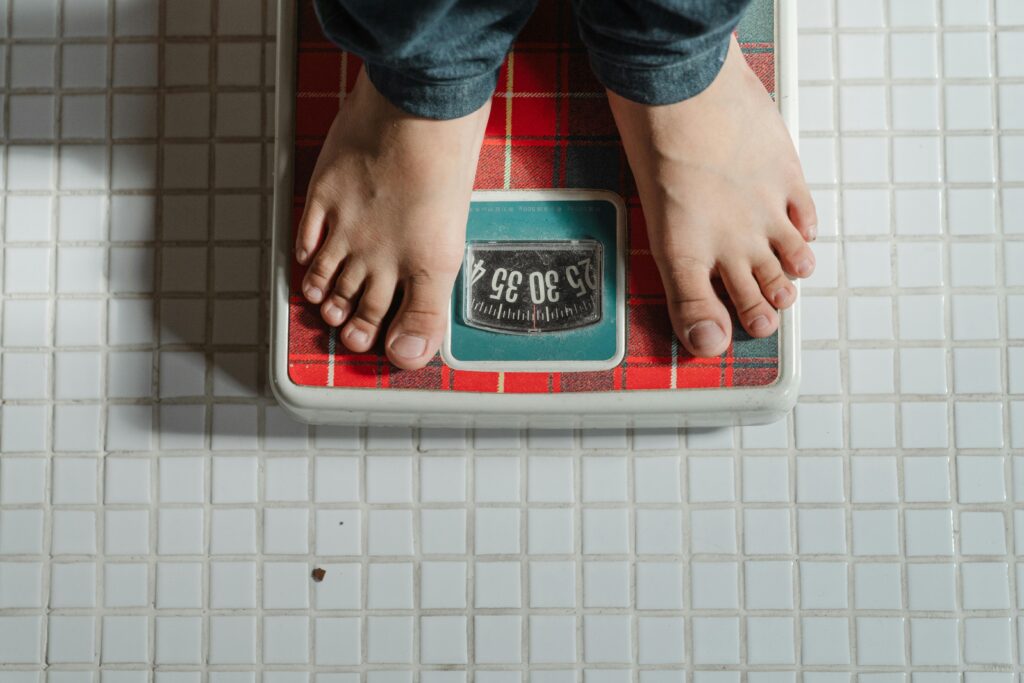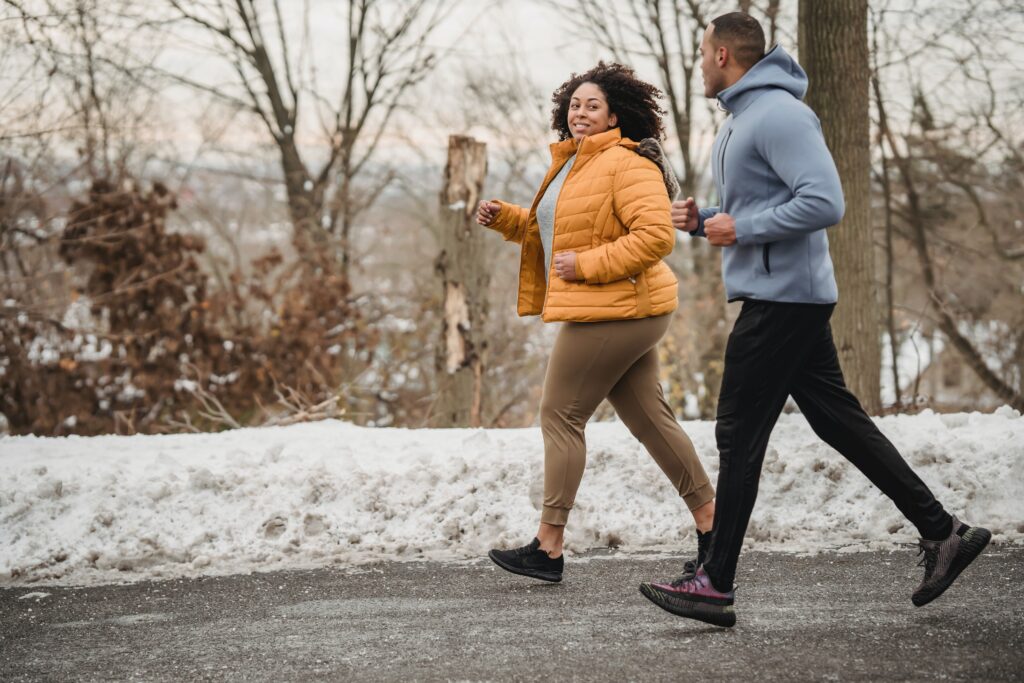
In a world filled with complex fitness routines and expensive gym memberships, one of the most effective weight loss strategies might surprise you with its simplicity: walking. This accessible, low-impact exercise requires no special equipment, no memberships, and can be done virtually anywhere at any time. Whether you’re just beginning your fitness journey or looking for a sustainable way to shed pounds, walking offers a gentle yet powerful approach to weight loss that delivers remarkable health benefits without placing excessive strain on your body.
The beauty of walking lies not just in its effectiveness for weight loss, but in its universal accessibility. Regardless of your current fitness level, age, or physical limitations, walking can be adapted to meet your needs while helping you achieve your weight loss goals and improve your overall health.
Why Walking Is Effective for Weight Loss
Burns Calories Without Strain
Walking provides an excellent calorie-burning workout that’s gentle on your joints and muscles. A moderate-paced walk can burn between 200-400 calories per hour, depending on your weight, pace, and terrain. Unlike high-impact exercises that can lead to injury or burnout, walking allows you to maintain consistent activity levels without the recovery time needed for more intense workouts.
The sustainable nature of walking means you’re more likely to stick with it long-term, which is crucial for lasting weight loss. Your body efficiently burns calories during your walk and continues to burn them at an elevated rate for hours afterward, contributing to a healthy caloric deficit that promotes steady weight loss.
Boosts Metabolism and Supports Fat Loss
Regular walking sessions help increase your metabolic rate, turning your body into a more efficient calorie-burning machine. As you build walking into your daily routine, your metabolism remains elevated throughout the day, helping you burn more calories even when you’re not actively exercising.
Walking particularly targets visceral fat – the dangerous fat stored around your abdominal organs. This type of fat loss not only improves your appearance but also significantly reduces your risk of heart disease, diabetes, and other obesity-related health conditions. The steady, rhythmic nature of walking helps your body tap into fat stores for energy, making it an ideal exercise for sustainable fat loss.
Improves Cardiovascular Health
Beyond weight loss, walking strengthens your heart and improves circulation throughout your body. A stronger cardiovascular system means better oxygen delivery to your muscles, improved endurance, and more efficient calorie burning during all your daily activities.
Regular walking helps lower blood pressure, reduces bad cholesterol levels, and decreases your risk of heart disease and stroke. These cardiovascular improvements create a positive cycle where increased fitness makes it easier to walk longer and faster, leading to greater calorie burn and accelerated weight loss results.
How to Get Started with a Walking Routine
Setting Realistic Goals (Time, Distance, Steps)
Begin your walking journey by setting achievable goals that match your current fitness level. If you’re new to exercise, start with 10-15 minute walks and gradually increase by 5 minutes each week until you reach 30-60 minutes per session. For distance goals, aim for 1-2 miles initially, building up to 3-5 miles as your endurance improves.
The popular 10,000 steps per day goal is excellent for motivation, but don’t feel pressured to reach this number immediately. Start with your current daily step count and aim to increase it by 500-1,000 steps each week. Remember, consistency is more important than intensity when you’re building a sustainable walking routine.
Choosing the Right Footwear
Investing in proper walking shoes is crucial for comfort, injury prevention, and long-term success. Look for shoes with good arch support, adequate cushioning in the heel and forefoot, and enough room for your toes to move freely. The shoes should feel comfortable from the first wear without requiring a “breaking in” period.
Consider getting professionally fitted at a specialty athletic store where staff can assess your gait and recommend shoes suited to your foot type. Replace your walking shoes every 300-500 miles or when you notice worn tread patterns, compressed cushioning, or uneven wear that could lead to discomfort or injury.
Planning Your Walking Schedule
Consistency is key to successful weight loss through walking, so create a schedule that fits realistically into your lifestyle. Many people find success with early morning walks before daily responsibilities begin, while others prefer evening walks to decompress from the day.
Start with 3-4 walking sessions per week, scheduling them like important appointments in your calendar. As walking becomes a habit, you can increase frequency to 5-6 days per week. Consider having backup indoor options like mall walking or treadmill sessions for days when weather doesn’t cooperate with your outdoor plans.
Maximising Calorie Burn While Walking
Increasing Intensity (Pace, Hills, Intervals)
Transform your basic walk into a calorie-burning powerhouse by incorporating intensity variations. Increase your pace periodically during your walk – aim for a pace where you can still hold a conversation but feel slightly breathless. This “brisk” walking pace significantly increases calorie burn compared to leisurely strolling.
Seek out hills or inclined surfaces to add natural resistance training to your walk. Walking uphill can double your calorie burn while strengthening your leg muscles and improving cardiovascular fitness. If hills aren’t available, try interval training by alternating between normal pace and faster walking for 1-2 minute periods throughout your route.
Adding Strength Moves (Lunges, Arm Swings)
Incorporate bodyweight exercises into your walking routine to boost calorie burn and build lean muscle mass. Stop every 5-10 minutes to perform walking lunges, which engage your core and lower body while maintaining your heart rate elevation.
Add deliberate arm movements like large arm circles, cross-body swings, or overhead reaches to engage your upper body muscles. These movements not only increase calorie expenditure but also improve coordination and can help prevent the boredom that sometimes comes with repetitive exercise.
Walking After Meals
Strategic timing of your walks can enhance their weight loss benefits. A 10-15 minute walk after meals helps regulate blood sugar levels, improves digestion, and can reduce cravings for unhealthy snacks. This post-meal walking habit is particularly effective for preventing the energy crash that often leads to poor food choices.
Evening walks after dinner can be especially beneficial, as they help your body process the day’s final meal more efficiently and can improve sleep quality. Better sleep supports weight loss by regulating hormones that control hunger and satiety.
Tracking Your Walking Progress
Using Fitness Trackers and Apps
Modern technology makes it easier than ever to monitor your walking progress and stay motivated. Fitness trackers and smartphone apps can automatically record your steps, distance, pace, and calories burned, providing valuable data to help you optimize your walking routine.
Popular options include dedicated fitness trackers like Fitbit or Garmin devices, or smartphone apps such as Apple Health, Google Fit, or MyFitnessPal. These tools often include social features that allow you to connect with friends or family members for additional motivation and accountability.
Monitoring Steps, Distance, and Calories
Keep track of key metrics to ensure you’re progressing toward your weight loss goals. Monitor your daily step count, total distance walked, average pace, and estimated calories burned. Look for trends over time rather than focusing on daily fluctuations – consistency in your numbers indicates you’re building sustainable habits.
Pay attention to how you feel during and after walks, noting improvements in energy levels, mood, and recovery time. These subjective measures are often as important as the numbers in determining the success of your walking program.
Celebrating Milestones
Recognize and celebrate your achievements along the way to maintain motivation and momentum. Set both short-term goals (walking for 30 minutes without stopping) and longer-term objectives (walking 100 miles in a month) to give yourself regular opportunities for celebration.
Reward yourself with non-food treats when you reach milestones – perhaps new walking gear, a massage, or a special outing. Share your successes with supportive friends or family members, or join online walking communities where you can celebrate achievements with like-minded individuals.
Remember that every step you take is progress toward better health and successful weight loss. Walking may seem simple, but its cumulative effects are profound and lasting. By starting where you are, staying consistent, and gradually challenging yourself, you’ll discover that this accessible exercise can be your most powerful tool for achieving and maintaining your weight loss goals while building a foundation for lifelong health and fitness.