Portion Control for Weight Loss: Simple Guide for Beginners
Learn how portion control helps weight loss without extreme dieting. Simple strategies, hand method tips, and practical advice for busy women.
Introduction
Here’s the truth most diet books won’t tell you: you’re probably not eating the wrong foods. You’re just eating too much of them.
Think about the last time you ordered a meal at a restaurant. That plate likely held enough food for two, maybe even three people. We’ve been conditioned to see these oversized portions as normal, and it’s quietly sabotaging our weight loss efforts without us even realizing it.
The good news? You don’t need to eat less food to lose weight. You need to eat the right amount. That’s where portion control comes in, and it’s simpler than you think.
Portion control for weight loss isn’t about restriction or deprivation. It’s about awareness. It’s learning to recognize what a healthy portion size actually looks like in today’s supersized world. When you understand the difference between serving size vs portion size, suddenly weight loss doesn’t feel like a constant battle.
This guide will show you practical, sustainable ways to master calorie control without weighing every morsel or feeling hungry all day. You’ll learn simple tricks that fit into your real life—whether you’re cooking at home, eating out, or grabbing food on the go.
Ready to take control without the overwhelm? Let’s start with the basics.
What Is Portion Control? (And Why It’s Different from Serving Size)
Let’s clear up some confusion right away. What is portion control? Simply put, it’s being mindful of how much food you actually put on your plate and eat. But here’s where it gets interesting—and where most people trip up.
Portion Size vs Serving Size Explained
These terms sound similar, but they mean very different things:
- Serving size is the standardized amount listed on nutrition labels. It’s set by food manufacturers and regulatory bodies as a reference point. For example, a serving of breakfast cereal might be listed as ¾ cup with 110 calories.
- Portion size is what you actually eat. It’s the amount you serve yourself at home, what the restaurant puts on your plate, or how much you grab from a bag of chips.
Here’s the problem: most of us eat portions that are two, three, or even four times larger than the recommended serving size. When you pour yourself a “normal” bowl of cereal, you’re probably eating 2-3 cups, which means you’re consuming 300-400 calories instead of the 110 calories you think you’re eating.
Why this difference matters for fat loss: You can’t create a calorie deficit—which is essential for weight loss—if you don’t know how much you’re actually eating. Understanding serving size vs portion size is your first step toward realistic calorie control.
Why Portion Control Is Important for Weight Loss
Weight loss comes down to energy balance. When you consume less energy (calories) than your body burns, you lose weight. When you eat more than you burn, you gain weight. It’s that straightforward.
But here’s where portion control becomes your secret weapon: it helps you manage your energy intake without the stress of counting every single calorie.
Research shows what scientists call the portion size effect on calorie intake. When we’re served larger portions, we eat more—sometimes up to 30% more—without feeling any fuller. Your brain doesn’t automatically adjust. You simply eat what’s in front of you.
This is why portion control and calorie deficit work together so well. By right-sizing your meals, you naturally reduce your calorie intake without feeling deprived. You’re still eating satisfying amounts of food. You’re just not overeating.
The beauty of portion control for weight loss is that it’s sustainable. You’re not cutting out entire food groups or surviving on lettuce. You’re simply eating appropriate amounts of the foods you enjoy.
Why Portion Sizes Have Increased (And Why It Matters After 50)
Our grandparents would be shocked by what we consider a “normal” meal today. Over the past 50 years, portion sizes have ballooned dramatically, and our bodies—and waistlines—are paying the price.
In the 1950s, a typical dinner plate was 9 inches in diameter. Today, it’s 12 inches or larger. Restaurant meals have doubled or tripled in size. A bagel that was once 3 inches now spans 6 inches. A medium soda has grown from 7 ounces to 20 ounces or more.
This shift in the food environment and large portion sizes isn’t accidental. Larger portions drive sales. But they’ve also normalized overeating to the point where we can’t recognize what a healthy portion looks like anymore.
The “Portion Size Effect” in Research
Scientists have studied this phenomenon extensively. The portion size effect energy intake is real and powerful: when people are given larger portions, they consistently eat more without reporting increased fullness or satisfaction.
One landmark study served participants different-sized meals over several days. When portions were increased by 50%, people ate 30% more calories without even noticing. They didn’t feel hungrier before the meal or fuller afterward. They just ate more because it was there.
This increased consumption without increased hunger explains why so many people struggle with weight despite “eating normally.” When oversized portions are everywhere—at restaurants, in packaged foods, even on our own dinner plates—we’re unconsciously eating far more than we need.
Metabolism, Muscle Loss and Portion Awareness After 50
Here’s where age makes things more challenging. Portion control for middle aged men (and women) becomes even more critical because your body’s energy needs change significantly after 50.
Lower energy expenditure is a fact of aging. Your metabolism naturally slows down, partly because you tend to lose muscle mass (a process called sarcopenia) and partly because of hormonal changes. By age 50, most people burn 200-300 fewer calories per day than they did in their 20s.
This means eating like you’re 25 will absolutely cause weight gain when you’re 50, 55, or 60. You can’t eat the same portions you once did and expect the same results.
But here’s the good news: maintaining protein portions helps preserve muscle mass. Focus on getting adequate protein at each meal—about a palm-sized serving. This supports your metabolism and helps prevent muscle loss, which is crucial for maintaining strength and mobility as you age.
Portion sizes and metabolism after 50 need to work together. Slightly smaller overall portions, with priority given to protein and vegetables, help you maintain a healthy weight without constant hunger or energy crashes.
How to Control Portion Sizes Without Counting Every Calorie
The thought of weighing and measuring every bite of food sounds exhausting, doesn’t it? Good news: you don’t have to. There are simple, practical portion control strategies that actually work long term without turning every meal into a math problem.
The Hand Portion Size Method
Your hand is a brilliant built-in measuring tool—and it’s always with you. This is one of the most practical portion control tips for beginners because it’s visual, portable, and personalized to your body size.
How to use your hand to estimate portion sizes:
- Protein = palm Your protein portion (meat, fish, chicken, tofu) should be about the size and thickness of your palm, not including your fingers. For women, this is typically 3-4 ounces. For men, it might be 4-6 ounces.
- Carbs = cupped hand Your serving of grains, rice, pasta, or starchy vegetables should fit in your cupped hand. This is roughly ½ to ¾ cup cooked.
- Fats = thumb Fats are calorie-dense, so portions should be smaller. One serving of butter, oil, nuts, or nut butter should be about the size of your thumb—roughly 1 tablespoon.
- Vegetables = fist Load up here! Your non-starchy vegetables (broccoli, spinach, peppers, salad greens) should be at least the size of your fist, but you can easily eat more. These are low in calories and high in fiber and nutrients.
This method gives you flexibility without obsession. Some days you might eat a little more, some days a little less. Over time, it balances out.
H3: The Plate Method for Portion Control
The plate method for portion control is another visual strategy that takes seconds to implement. It’s perfect for people who like structure but don’t want to measure food.
Here’s how it works:
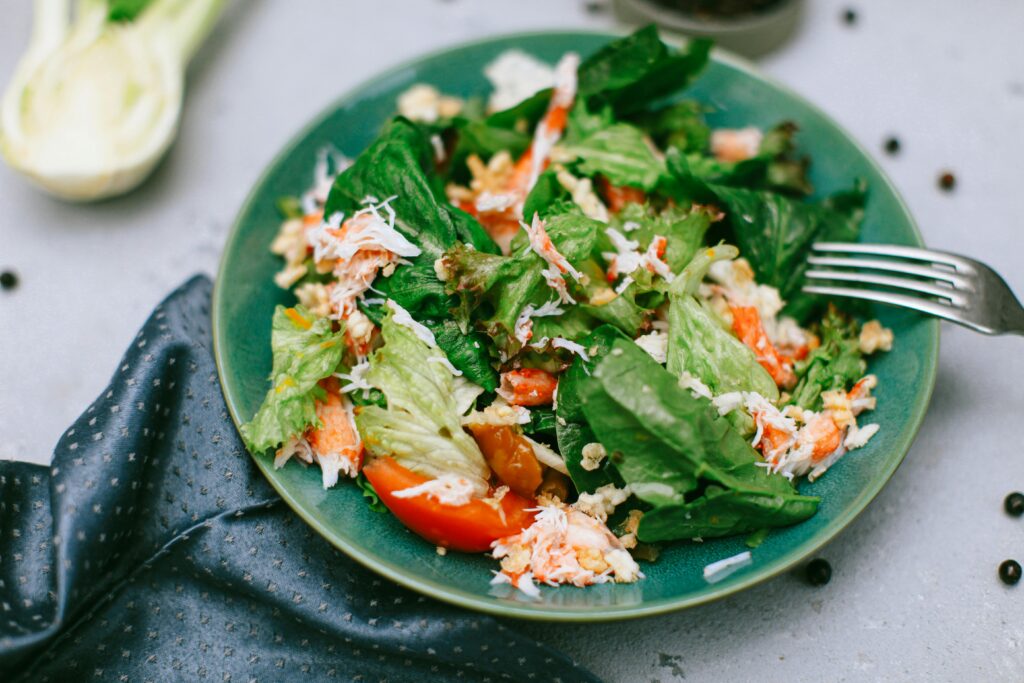
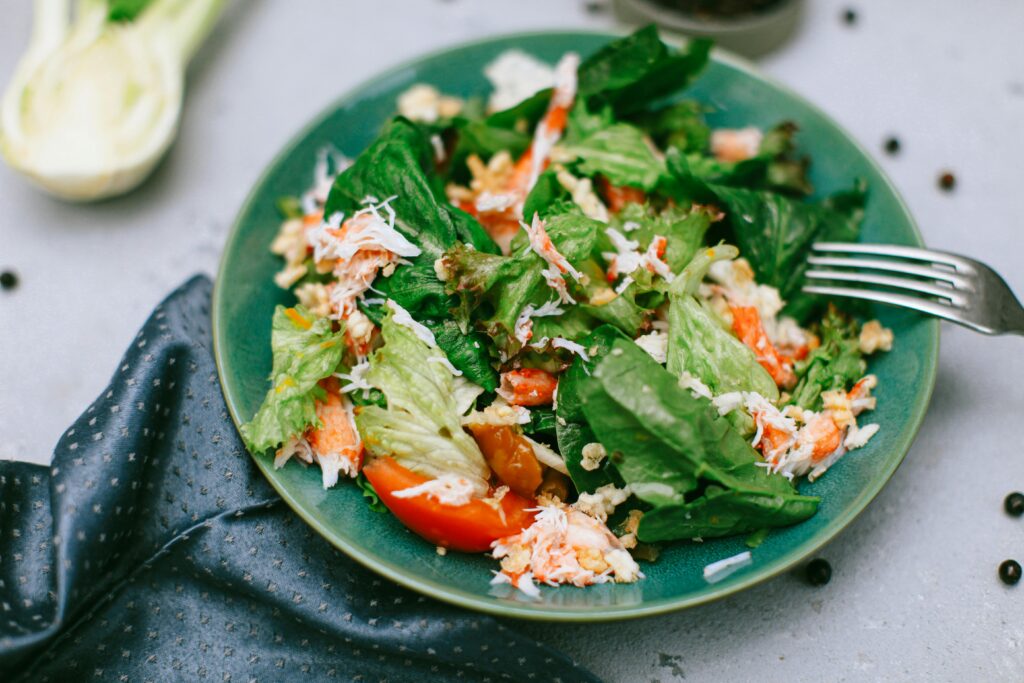
- Fill half your plate with non-starchy vegetables. Think salad, steamed broccoli, roasted cauliflower, sautéed spinach, grilled zucchini—any vegetables except potatoes, corn, and peas.
- Fill one quarter with protein. This could be chicken, fish, lean beef, eggs, tofu, tempeh, or legumes.
- Fill one quarter with carbohydrates. Rice, pasta, quinoa, bread, potatoes, or other whole grains fit here.
- Add a small amount of healthy fat if it’s not already in your protein or vegetables. A drizzle of olive oil, a sprinkle of nuts, or half an avocado.
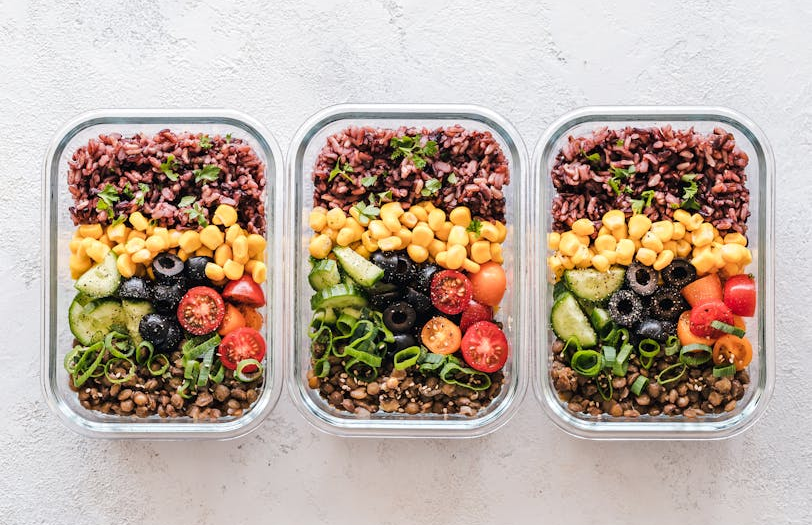
Examples of balanced meals with correct portion sizes:
- Grilled chicken breast (palm-sized) + steamed broccoli and carrots (fist-sized) + brown rice (cupped hand) + olive oil for cooking (thumb)
- Baked salmon (palm-sized) + mixed green salad (fist-sized) + roasted sweet potato (cupped hand) + avocado slices (thumb)
- Lean ground beef (palm-sized) + stir-fried peppers and onions (fist-sized) + whole grain pasta (cupped hand) + parmesan cheese (thumb)
The beauty of this method is its simplicity. You don’t need special tools or apps. Just look at your plate before you eat.
Downsizing Portions Instead of Cutting Foods Completely
Here’s a crucial truth about sustainable behaviour change: restriction breeds rebellion. When you tell yourself you can never have pizza, ice cream, or chips again, you’re setting yourself up for failure.
Downsizing portions instead of cutting foods completely is far more sustainable. You can still enjoy the foods you love—just in appropriate amounts.
Want chocolate? Have two squares instead of the whole bar. Craving chips? Put a handful in a bowl instead of eating from the bag. Love pasta? Serve yourself one cup instead of three.
This approach prevents binge cycles. When you know you can have your favorite foods in moderation, the obsessive thinking stops. You’re not “being good” or “being bad.” You’re just eating like a balanced adult.
Over time, smaller portions start to feel normal. Your stomach adjusts. Your expectations shift. And you maintain your weight loss because you’re living a lifestyle you can sustain forever.
Portion Control and Energy Density: Why Food Volume Matters
Not all calories are created equal when it comes to fullness. Understanding energy density—how many calories are packed into a given volume of food—is one of the best portion control tips for fat loss without feeling hungry.
Calorie Density Explained Simply
Energy density (or calorie density) refers to the number of calories in a specific volume of food. Some foods pack a lot of calories into a small space. Others give you a lot of food for very few calories.
Let’s look at a concrete example: 100 calories of nuts vs 100 calories of vegetables.
- 100 calories of almonds = about 14 nuts (less than 2 tablespoons)
- 100 calories of broccoli = about 3 cups
Both have the same calories, but the volume is drastically different. You could eat 14 almonds in seconds and barely feel satisfied. But eating 3 cups of broccoli? That’s a substantial amount that will fill your stomach.
High-energy-dense vs low-energy-dense foods
High energy density (many calories, small volume):
- Oils and butter
- Nuts and nut butters
- Cheese
- Chocolate and candy
- Fried foods
- Baked goods
- Dried fruit
Low energy density (few calories, large volume):
- Most vegetables
- Most fruits
- Broth-based soups
- Plain popcorn
- Lean proteins
Neither category is “bad.” You need some energy-dense foods for nutrition and satisfaction. But understanding this concept helps you make smarter choices about where to eat larger portions and where to be more careful.
How High-Volume Foods Help Control Appetite
When you fill your plate with low energy dense foods and portion size is generous, you naturally eat fewer calories while still feeling full. This is the secret weapon many successful dieters use without realizing it.
Your stomach has stretch receptors that signal fullness to your brain. When you eat a large volume of low-calorie food, these receptors activate, telling you to stop eating. Satiety and hunger signals are partly volume-based, not just calorie-based.
Fibre and protein are your allies here. Foods high in these nutrients:
- Take longer to digest, keeping you full longer
- Require more chewing, which slows down eating and gives your brain time to register fullness
- Help stabilize blood sugar, preventing energy crashes and cravings
Practical tip: Slowing down and chewing thoroughly makes a massive difference. It takes about 20 minutes for your brain to receive fullness signals from your stomach. When you eat slowly, you give your body time to tell you when it’s had enough—before you overeat.
Portion Control and Mindful Eating
Portion control and mindful eating go hand in hand. You can measure perfect portions, but if you’re distracted while eating, you’ll miss your body’s signals and potentially overeat anyway.
Eating Without Screens or Distractions
How often do you eat while scrolling through your phone, watching TV, or working at your computer? If you’re like most people, the answer is “almost always.”
Here’s the problem: when your attention is divided, you miss important visual cues for fullness. You don’t notice when you’re starting to feel satisfied. You eat on autopilot, finishing everything on your plate regardless of your actual hunger level.
Research shows that people who eat while distracted consume 25-30% more calories than those who eat mindfully. That’s significant enough to cause gradual weight gain over time.
Try this experiment: Eat one meal this week without any screens or reading material. Just sit, eat, and pay attention. Notice the flavors, textures, and how your body feels as you eat. You’ll probably be surprised by how much less you need to feel satisfied.
Eating speed and satiety are closely linked. When you slow down and focus on your food, you naturally eat less because you catch the fullness signal before you’ve overeaten.
Recognising Hunger vs Habit
How often are you actually hungry versus eating out of routine, boredom, or stress?
Emotional vs physical hunger feel different if you tune in:
Physical hunger:
- Builds gradually
- Happens 3-5 hours after your last meal
- Any food sounds appealing
- Goes away when you eat
- Doesn’t cause guilt
Emotional hunger:
- Comes on suddenly
- Can happen right after eating
- Creates specific cravings (usually comfort foods)
- Doesn’t go away with eating; might increase guilt
- Often triggered by stress, boredom, loneliness, or other emotions
Understanding this distinction is crucial for how to stop overeating. When you recognize that you’re reaching for food because you’re stressed about work or lonely on a Friday night—not because you’re genuinely hungry—you can address the real issue instead of eating.
Food environment triggers are powerful too. Maybe you always have popcorn at the movies, or you grab cookies every time you visit your parents’ house, or you snack while watching your favorite show. These are habits, not hunger.
Breaking the automatic connection between certain activities and eating takes awareness and practice, but it’s one of the most powerful tools for lasting portion control.
Practical Portion Control Tips for Real Life
Theory is great, but you need simple portion control tips for busy people that actually work in your everyday life. Here’s how to apply portion control in different situations.
At Home
Your home environment sets you up for success or sabotage. Make it work for you:
Use smaller plates This isn’t just a psychological trick—it’s grounded in research. When you use a 9-10 inch plate instead of a 12-inch plate, you naturally serve yourself less food but your plate still looks full and satisfying. Your brain sees a full plate and feels content.
Pre-portioned meals and snacks When you buy family-sized packages of crackers, nuts, or chips, immediately divide them into single-serving containers or bags. This prevents mindless eating straight from the package, which almost always leads to overeating.
Measuring high-calorie foods You don’t need to measure everything, but measuring calorie-dense foods like oils, nuts, cheese, and grains a few times helps calibrate your portion awareness. Once you know what 1 tablespoon of olive oil or ¼ cup of almonds looks like, you can eyeball it accurately in the future.
At Restaurants
Eating out doesn’t have to derail your progress. Use these portion control tips for eating out:
Split meals Restaurant portions are typically 2-3 times larger than you need. Share an entrée with your dining companion and order an extra side of vegetables or a salad to round out the meal.
Box half before eating Ask for a to-go container when your meal arrives. Immediately put half in the container before you start eating. Out of sight, out of mind—and you have lunch for tomorrow.
Order protein + vegetables first If the menu allows, order grilled chicken, fish, or another lean protein with extra vegetables and skip the starchy sides entirely, or ask for a half portion.
Be selective with extras Bread baskets, appetizers, and caloric drinks add up quickly. Choose one indulgence per meal instead of having them all.
For Men Over 50 Trying to Lose Weight
Portion sizes for men over 50 trying to lose weight have some specific considerations:
Prioritise protein As you age, maintaining muscle mass becomes crucial for metabolism, bone health, and functional fitness. Aim for a palm-sized serving of protein at every meal—sometimes even a bit more if you’re active or trying to build muscle.
Moderate carbs You likely need fewer carbohydrates than you did in your 20s and 30s, especially if you’re less active. Keep your carb portion to a cupped hand or slightly less, and choose whole grains, fruits, and starchy vegetables over refined options.
Don’t under-eat and lose muscle This is critical: eating too little can cause you to lose muscle along with fat. Men over 50 should aim for a moderate calorie deficit (250-500 calories below maintenance) and ensure adequate protein intake. Aggressive dieting often backfires by reducing muscle mass and slowing metabolism.
Portion Control vs Counting Calories: Which Is Better?
You might be wondering: portion control vs counting calories which is better for weight loss?
The honest answer is: it depends on you, your goals, and where you are in your journey.
When Counting Helps
Calorie counting has its place, especially in the education phase of your weight loss journey.
Awareness Tracking your food for a few weeks can be incredibly eye-opening. You might discover that your morning “healthy” smoothie has 600 calories, or that you’re consuming an extra 300 calories from mindless snacking.
Counting teaches you what foods are calorie-dense, what a serving size actually looks like, and where most of your calories are coming from. This knowledge is invaluable.
If you have specific goals—like losing weight for a competition or event—short-term calorie counting can provide precision and accountability.
When Portion Control Is Enough
For most people, especially long-term, portion control is more sustainable than counting every calorie.
Long-term sustainability Let’s be honest: do you want to weigh, measure, and log every bite of food for the rest of your life? Probably not. Counting calories can become tedious, obsessive, and socially isolating.
Habit-based fat loss Portion control focuses on building intuitive, sustainable habits:
- Using your hand as a guide
- Following the plate method
- Eating slowly and mindfully
- Recognizing true hunger
These habits become second nature over time. You don’t need an app or a food scale at a family barbecue. You simply know how to eat appropriately.
Portion control and calorie deficit still work together—you’re creating a deficit, just without the meticulous tracking. For many people, this approach feels more like normal life and less like being on a restrictive diet.
The best approach? Start with some calorie tracking to build awareness, then transition to intuitive portion control for long-term maintenance.
Common Portion Control Mistakes
Even with the best intentions, it’s easy to slip up. Watch out for these portion control mistakes:
Ignoring calorie-dense foods You measure your chicken and rice perfectly, then pour a generous amount of olive oil in the pan and sprinkle a heavy hand of cheese on top. Those “little extras” can add 300-500 calories without you realizing it.
Solution: Measure oils, butter, nuts, seeds, cheese, and dressings until you have a good visual reference for appropriate amounts.
Drinking calories Lattes, smoothies, juice, alcohol, and fancy coffee drinks can easily add 200-600 calories to your day. Your brain doesn’t register liquid calories the same way it does solid food, so you won’t feel fuller.
Solution: Stick to water, black coffee, and tea most of the time. Save caloric beverages for occasional treats and account for them.
“Healthy” but oversized portions Yes, quinoa is nutritious. Yes, almonds have healthy fats. But that doesn’t mean you can eat unlimited amounts. Healthy foods still have calories.
Solution: How big should my portions be to lose weight? Even with nutritious foods, stick to the hand method or plate method guidelines.
Underestimating oils, dressings, nuts These foods are calorie-dense, which means a little goes a long way—and a lot goes way too far. Two tablespoons of salad dressing can have 150-200 calories. A “small handful” of nuts might be 200-300 calories.
Solution: Measure these items specifically. Use measuring spoons for dressings and oils. Pre-portion nuts into small containers.
How Portion Control Helps Prevent Weight Regain
You’ve probably heard the frustrating statistic: most people who lose weight gain it back within a few years. But how portion control helps prevent weight regain is actually one of its greatest strengths.
Sustainable deficit Extreme diets that drastically cut calories or eliminate entire food groups might work temporarily, but they’re not sustainable. Eventually, you burn out, return to old eating patterns, and regain the weight.
Portion control creates a moderate calorie deficit that you can maintain for months or years. You’re not suffering or feeling deprived. You’re just eating appropriate amounts.
Habit reinforcement Every time you use the hand method, choose a smaller plate, or eat slowly and mindfully, you’re reinforcing positive habits. Over time, these behaviors become automatic. They’re no longer something you “do on a diet”—they’re just how you eat.
No extreme restriction When you practice portion control strategies that actually work long term, you don’t have forbidden foods or strict rules. This flexibility prevents the deprivation-binge cycle that sabotages so many dieters.
You can have birthday cake, pizza with friends, or a glass of wine—just in reasonable amounts. This is sustainable for life.
The key is consistency over perfection. You don’t need to nail your portions every single meal. You just need to be roughly accurate most of the time. Over weeks and months, this creates the small, consistent calorie deficit that leads to lasting weight loss.
Final Thoughts: Portion Control Is a Skill, Not a Diet
Here’s what I want you to remember: portion control isn’t another restrictive diet you start on Monday and quit by Friday. It’s a life skill that gives you freedom.
You don’t need extreme restriction You don’t have to eat like a bird, survive on salads, or give up the foods you love. You just need to eat appropriate amounts of those foods within the context of a balanced diet.
You need awareness Most overeating isn’t intentional. It’s the result of oversized portions, distracted eating, and normalized overconsumption. When you become aware of how much you’re actually eating, portion control happens almost effortlessly.
Long-term success = habits + consistency Weight loss isn’t about perfection. It’s about consistently making good-enough choices, day after day, week after week. Portion control supports this because it’s flexible, forgiving, and sustainable.
Use the hand method. Follow the plate guideline. Eat slowly. Pay attention. Adjust portions based on your true hunger, not what’s on your plate or what everyone else is eating.
This isn’t complicated. But it does require intention and practice.
The good news? The more you practice, the easier it becomes. And soon, healthy portions will feel completely natural.
FAQ Section
Understanding portion control for beginners
Portion control means being mindful of how much food you eat at each meal. For beginners, start with simple visual guides: use your hand to estimate portions (protein = palm, carbs = cupped hand, fats = thumb, vegetables = fist), or follow the plate method (half vegetables, quarter protein, quarter carbs). You don’t need to weigh or measure everything—just develop awareness of appropriate amounts.
How to start practicing portion control at home
Begin with these three steps: (1) Use smaller 9-10 inch plates instead of large dinner plates, (2) Serve food from the kitchen counter instead of bringing serving dishes to the table, and (3) Measure calorie-dense foods like oils, nuts, and cheese a few times to calibrate your portions. After a week or two, this becomes second nature.
How big should my portions be to lose weight?
For weight loss, aim for: protein the size of your palm at each meal, carbohydrates that fit in your cupped hand, fats the size of your thumb, and at least one fist-sized serving of vegetables. This creates a moderate calorie deficit while keeping you satisfied. Adjust based on your activity level, size, and hunger cues.
Portion control vs counting calories — which is better?
Calorie counting is useful for initial awareness and education about food, but portion control is more sustainable long-term. Most people find success by tracking calories for a few weeks to learn portions, then switching to intuitive portion control using the hand or plate method. Both create a calorie deficit—portion control just feels less restrictive and is easier to maintain for life.
Can portion control alone lead to fat loss?
Yes, absolutely. When you consistently eat appropriate portions instead of oversized ones, you naturally create the calorie deficit needed for fat loss. Combined with mindful eating, choosing mostly whole foods, and staying active, portion control is enough for most people to lose 1-2 pounds per week without counting a single calorie.