Start your weight loss journey with easy, low-impact cardio workouts. No running required—just simple exercises that build confidence and burn fat.
Introduction: Why Start with Beginner Cardio?
You don’t need to run marathons to start feeling stronger and more confident.
If you’ve been scrolling through fitness content feeling overwhelmed, wondering if you’ll ever be “fit enough” to start—I want you to know something important. You already are.
The truth is, beginning your weight loss journey doesn’t require expensive gym memberships, complicated equipment, or hours of gruelling exercise. What it does require is one simple decision: to start moving your body in a way that feels good and sustainable for you.
Maybe you’re juggling work, family, and a million other responsibilities. Maybe you’re exhausted by the end of the day and the thought of adding one more thing feels impossible. Or perhaps you’ve tried intense workout programs before, only to burn out after a few weeks and feel worse about yourself than when you started.
You’re not alone. Thousands of women just like you are searching for a realistic way to lose weight, gain energy, and take back control of their health—without turning their lives upside down.
Here’s the good news: beginner cardio workouts are designed for exactly where you are right now. They’re low-impact, easy to follow, and gentle on your body. Most importantly, they work. Even 20 minutes a day can kickstart your metabolism, boost your mood, and help you build the confidence you need to keep going.
This isn’t about punishment or perfection. It’s about finding sustainable movement that makes you feel alive, capable, and proud of yourself. Because sustainable change beats all-or-nothing approaches every single time.
Let’s explore how simple cardio exercises can transform not just your body, but how you feel about yourself.
Why Cardio Works for Sustainable Weight Loss
Cardio, short for cardiovascular exercise, is any movement that gets your heart rate up and keeps it there for a period of time. Think walking, dancing, swimming, or cycling. It’s one of the most effective tools for weight loss, and here’s why.
Burns Calories and Fat
When you do cardio, your body needs energy. It burns calories from the food you eat and from stored fat to fuel your movement. The more consistently you move, the more calories you burn—which creates the calorie deficit needed for weight loss.
But here’s what makes cardio special for beginners: you don’t need to do intense, exhausting workouts to see results. Even moderate cardio like brisk walking can burn 200-300 calories in 30 minutes. Over time, that adds up significantly.
Improves Heart and Metabolic Health
Beyond the scale, cardio strengthens your heart and lungs. It improves circulation, lowers blood pressure, and reduces your risk of heart disease and diabetes—conditions that become more common as we age, especially for women over 30.
Research shows that just 150 minutes of moderate cardio per week (that’s 20-30 minutes a day) can reduce your risk of chronic disease by up to 30%. That’s powerful medicine that doesn’t come in a pill bottle.
Boosts Energy and Mood
If you’re tired all the time, exercise might seem like the last thing you want to do. But here’s the beautiful paradox: moving your body actually gives you more energy, not less.
Cardio releases endorphins—your brain’s natural “feel-good” chemicals. It reduces stress hormones like cortisol and improves sleep quality. Many women notice that after just a few weeks of consistent cardio, they feel less anxious, sleep better, and have more mental clarity throughout the day.
Supports Hormonal Balance
For women in their late 20s, 30s, and 40s, hormonal changes can make weight loss feel impossible. Your metabolism slows down, you might feel more stressed, and stubborn weight seems to stick around your belly no matter what you do.
Regular cardio helps regulate hormones like insulin (which controls blood sugar) and supports better estrogen balance. This is especially important during perimenopause and menopause when hormonal shifts can trigger weight gain and mood swings.
The bottom line? Cardio isn’t just about burning calories. It’s about building a foundation of health that supports your entire body—physically, mentally, and emotionally.
Busting the Myths: You Don’t Need to Run to See Results
Let’s clear something up right now: cardio does not mean running until you can’t breathe.
If you’ve avoided starting cardio because you think you need to jog, sprint, or keep up with intense workout videos, I have amazing news for you. That’s simply not true.
Myth 1: “Real” Cardio Has to Be High-Intensity
Somewhere along the way, fitness culture convinced us that if we’re not dripping sweat and gasping for air, we’re not working hard enough. This couldn’t be further from the truth.
Low-impact cardio—like walking, cycling, or swimming—is just as effective for fat burning and heart health as intense workouts. In fact, for beginners, it’s often better because it’s sustainable. You’re less likely to get injured, burned out, or so sore that you can’t move the next day.
Myth 2: You Need to Exercise for an Hour
You don’t need marathon workout sessions to lose weight. Studies show that even 20-30 minutes of moderate cardio, done consistently, produces significant results over time.
What matters most isn’t how long you exercise—it’s that you show up regularly and keep moving. Three 20-minute walks per week will always beat one exhausting 2-hour gym session followed by a week of doing nothing.
Myth 3: No Pain, No Gain
Exercise should challenge you, but it should never feel like punishment. If you’re dreading your workouts or feeling miserable during them, something is wrong.
The best workout is the one you’ll actually do. If that means dancing in your living room to your favorite songs, walking around your neighborhood, or doing gentle water aerobics—that’s perfect. Movement should add joy to your life, not drain it.
Reframe Cardio as Self-Care
Instead of thinking about cardio as something you “have to” do to lose weight, try reframing it as something you “get to” do for yourself.
It’s 20 minutes where you don’t have to be anything for anyone else. It’s time to clear your head, process your thoughts, and reconnect with your body. It’s proof that you’re prioritizing yourself—which is powerful.
You can build your fitness without burning out. You can get stronger without pushing yourself to the point of exhaustion. And you can absolutely lose weight doing exercises that feel gentle and manageable.
The Best Beginner Cardio Workouts (Step-by-Step)
Ready to get started? Here are five beginner-friendly cardio workouts that require minimal equipment and can be done almost anywhere. Choose the one that sounds most appealing to you—there’s no “right” answer.
1. Walking Intervals
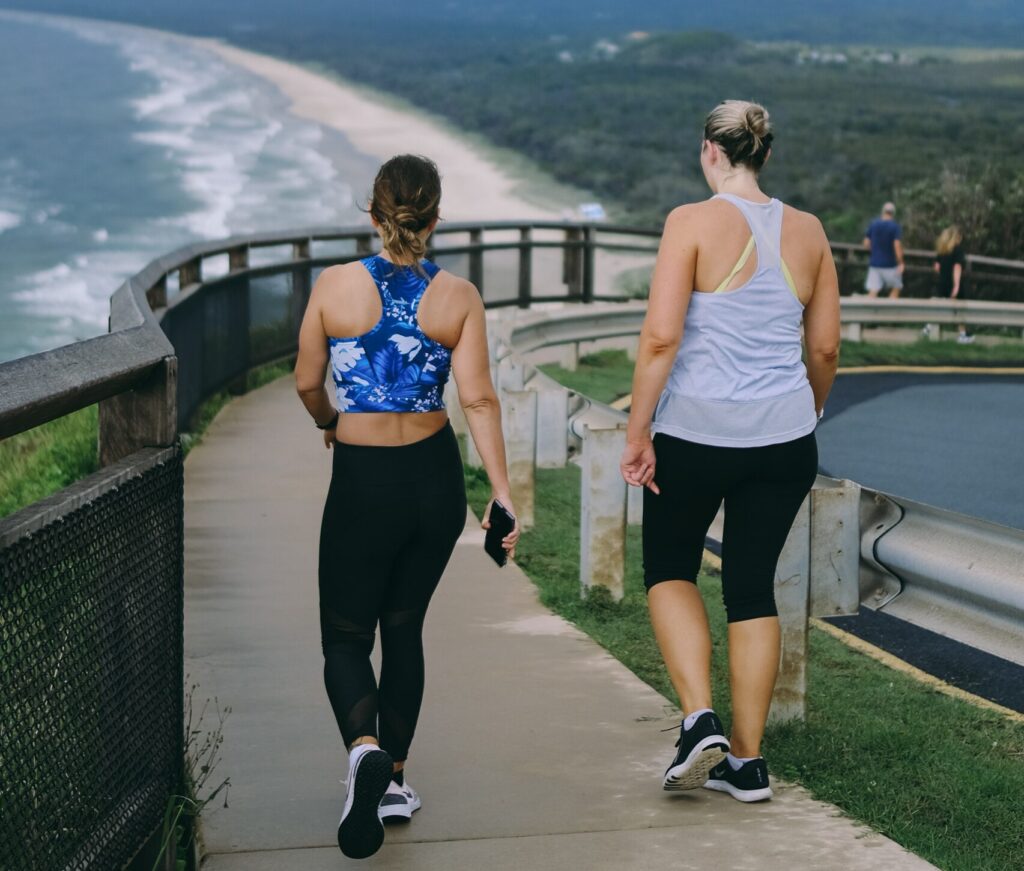
What it is: Walking is the most underrated fat-burning exercise. It’s free, low-impact, and you can do it anywhere. Walking intervals add variety by alternating between a comfortable pace and a slightly faster pace.
How to do it:
- Start with a 5-minute warm-up walk at an easy, comfortable pace
- Walk at a moderate pace (where you can still talk but feel slightly breathless) for 2 minutes
- Slow down to an easy pace for 1 minute to recover
- Repeat this 2-minute/1-minute pattern for 20 minutes
- Cool down with 5 minutes of slow walking
Why it works: Interval walking burns more calories than steady-paced walking because it keeps your heart rate elevated. Over time, you can increase the speed or duration of your “fast” intervals as you get stronger.
Tools you need: Comfortable shoes and a timer (your phone works perfectly). A fitness tracker or smartwatch can help you monitor your heart rate, but it’s not required.
Emotional benefit: A walk clears your head while burning fat. Many women find that their daily walk becomes the most peaceful, grounding part of their day.
Frequency: Start with 3 days per week, with at least one rest day between sessions.
2. Dance Cardio
What it is: Fun, music-driven movement that doesn’t feel like “exercise.” Think Zumba, YouTube dance workouts, or just freestyle dancing in your living room.
How to do it:
- Find a dance workout video on YouTube (search “beginner dance cardio” or “fun dance workout”)
- Popular channels include The Fitness Marshall, POPSUGAR Fitness, and Dance Fitness with Jessica
- Start with 15-20 minute videos and work your way up
- Don’t worry about getting the moves perfect—just keep moving and have fun
Why it works: Dance cardio burns 200-400 calories per 30 minutes while improving coordination and boosting your mood. The music and fun factor make it easier to stay consistent.
Tools you need: Just enough space to move around, a device to play videos, and your favorite playlist.
Emotional benefit: Joy, confidence, and body ownership. Dancing reminds you that your body is meant to move and feel good, not just look a certain way. It’s exercise that makes you smile.
Frequency: 2-4 times per week. Many women love dance cardio because it doesn’t feel like a chore.
3. Low-Impact Cycling
What it is: Stationary bike riding, either at home or at the gym. If you have a regular bike, outdoor cycling works too.
How to do it:
- If you’re at the gym: Adjust the bike seat so your knees have a slight bend when the pedal is at its lowest point
- Start with 5 minutes at an easy pace to warm up
- Cycle at a moderate pace (you should feel your breathing increase but still be able to hold a conversation) for 15-20 minutes
- Cool down for 5 minutes at an easy pace
- If using a stationary bike at home, free apps like Peloton (basic version) or YouTube cycling workouts can guide you
Why it works: Cycling is excellent for women with knee issues or those who need a joint-friendly option. It’s also perfect for busy mornings—you can cycle while watching the news or your favorite show.
Tools you need: Access to a stationary bike (home or gym) or a regular bicycle.
Emotional benefit: Cycling gives you a sense of forward motion—both literally and metaphorically. It’s meditative and empowering, especially when you track your progress over time.
Frequency: 2-3 times per week for 15-30 minutes. You’ll notice visible endurance improvements within a few weeks.
4. Swimming or Water Aerobics
What it is: Exercise in a pool—either swimming laps, walking in the water, or following a water aerobics class.
How to do it:
- Swimming: Start with 10-15 minutes of freestyle or breaststroke at an easy pace. Rest when needed.
- Water walking: Walk back and forth across the shallow end of the pool, using your arms to push through the water
- Water aerobics: Join a class at your local pool or YMCA (many are specifically designed for beginners)
Why it works: Water provides natural resistance, which means you’re building muscle while doing cardio. It’s incredibly gentle on joints, making it perfect for anyone with arthritis, knee pain, or back issues.
Tools you need: Access to a pool and a swimsuit. That’s it.
Emotional benefit: Float away stress while boosting endurance. Water exercise feels soothing and meditative. Many women find it less intimidating than gym workouts because everyone is focused on their own movement.
Frequency: 2-3 times per week for 20-30 minutes.
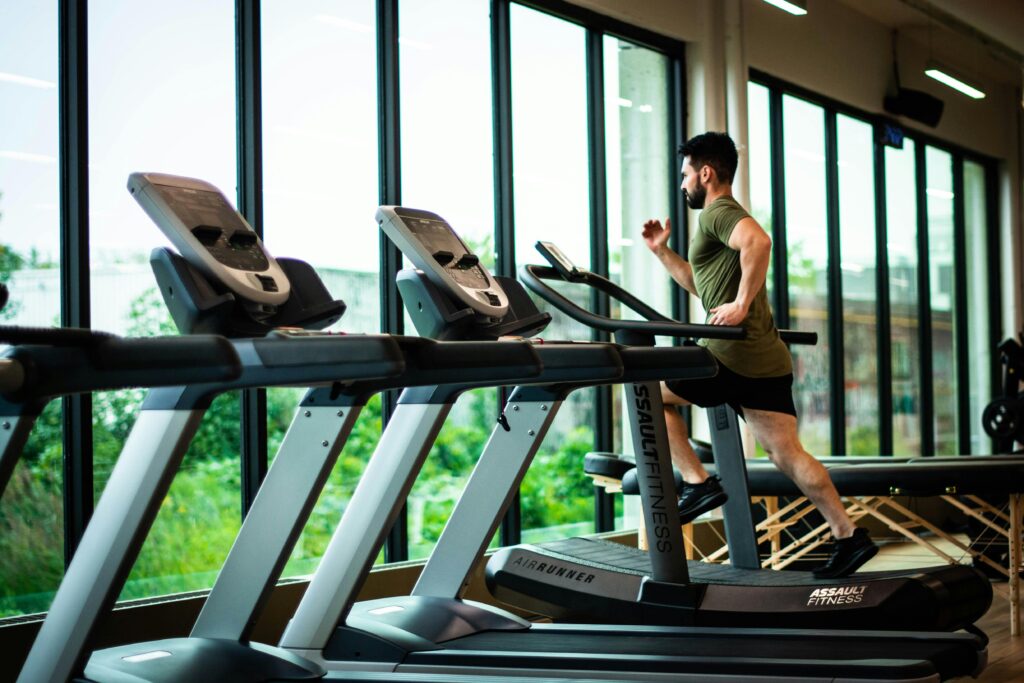
5. Elliptical & Rowing Machines
What it is: Gym-based cardio machines that provide full-body, low-impact workouts.
How to do it:
- Elliptical: Step onto the machine, hold the handles, and move your legs in a smooth, gliding motion. Most machines let you adjust resistance—start low and increase gradually as you get comfortable. Aim for 15-20 minutes.
- Rowing machine: Sit on the seat, secure your feet, and grab the handle. Push with your legs first, then lean back slightly while pulling the handle to your chest. Return slowly and repeat. Start with 10-15 minutes.
Why it works: Both machines give you a full-body workout with minimal joint stress. The elliptical mimics running without the impact, while rowing works your arms, core, and legs simultaneously.
Tools you need: Gym membership or access to these machines (some are available for home use, though they’re pricier).
Emotional benefit: These machines provide structure and measurable progress—you can track distance, calories, and time, which helps many women stay motivated.
Frequency: 2-3 times per week for 15-30 minutes.

How to Build Confidence and Consistency
Starting is the hardest part. But staying consistent? That’s where real transformation happens. Here’s how to make cardio a sustainable habit instead of another thing you try and abandon.
Start Ridiculously Small
Your first goal isn’t to work out every day or lose 20 pounds. Your first goal is simply to show up.
Commit to just three workouts per week. Even if they’re only 15 minutes long. Even if you only walk around the block. Just do something three times this week. That’s progress.
As you build the habit, you can gradually increase duration, intensity, or frequency. But for now, small and consistent beats ambitious and unsustainable every time.
Celebrate Every Single Win
Did you complete your 20-minute walk even though you were tired? That’s a win.
Did you choose dancing over scrolling on your phone? That’s a win.
Did you show up for yourself three times this week? That’s a huge win.
Too often, we minimize our accomplishments because we’re focused on how far we still have to go. But every workout matters. Every choice to prioritize yourself matters. Write them down, celebrate them, and watch your confidence grow.
Find Your Why (Beyond the Scale)
Yes, you want to lose weight. But dig deeper. Why does that matter to you?
Maybe it’s because you want more energy to play with your kids. Maybe you want to feel confident in your clothes again. Maybe you’re tired of feeling invisible or overlooked. Maybe you want to prove to yourself that you can commit to something and follow through.
Whatever your reason, write it down. Put it somewhere you’ll see it. On hard days, that deeper “why” will pull you through when motivation fades.
Use Tools That Support You
You don’t have to do this alone. Consider:
- Fitness apps: Free apps like MyFitnessPal, MapMyWalk, or Couch to 5K can track your progress and keep you accountable
- Journaling: Write down how you feel after each workout. You’ll start noticing patterns—like how much better you sleep or how your mood improves on workout days
- Accountability buddy: Find a friend, family member, or online community who’s also working on their health. Share your weekly goals and check in with each other
- Calendar tracking: Put a sticker or checkmark on your calendar for every workout you complete. Seeing your streak grow is incredibly motivating
Embrace Flexibility
Life happens. You’ll miss workouts. You’ll have bad days. You might take a week off when you’re sick or overwhelmed.
That’s okay. That’s normal. That’s human.
The difference between success and giving up isn’t perfection—it’s coming back. One missed workout doesn’t erase your progress. Neither does a whole missed week. You can always start again.
Remember: Consistency Creates Empowerment
Every time you show up for yourself, you’re sending your brain a powerful message: “I’m worth the effort. I keep my promises to myself.”
That confidence spills into every other area of your life. You start making better food choices. You stand up straighter. You speak up more. You try new things.
The weight loss? That’s just one result. The real transformation is becoming the kind of person who takes care of herself—no matter what.
Bonus: Combine Cardio with Self-Care
Here’s something most fitness advice gets wrong: you can’t exercise your way out of burnout.
If you’re running on empty, stressed, exhausted, barely sleeping, adding workouts to your plate might make things worse, not better. That’s why self-care isn’t separate from your fitness routine. It’s an essential part of it.
Prioritize Recovery
Your body doesn’t get stronger during workouts. It gets stronger during rest.
Make sure you’re taking at least 1-2 complete rest days per week where you do no structured exercise. Use that time to stretch, take a bath, read, or simply do nothing. Your muscles need time to repair, and your nervous system needs time to reset.
Stay Hydrated
Dehydration makes you tired, irritable, and less likely to want to move. Aim for at least 8 glasses of water per day, more if you’re exercising.
Keep a water bottle with you throughout the day. Add lemon, cucumber, or mint if plain water bores you. Proper hydration supports fat burning, reduces cravings, and improves your workout performance.
Practice Mindful Movement
Before or after your cardio session, spend 5 minutes stretching or doing gentle yoga. Focus on your breath. Notice how your body feels.
This simple practice helps you reconnect with your body and shift out of “stress mode” into “rest and restore mode.” It reminds you that movement is about caring for yourself, not punishing yourself for what you ate.
Link Movement to Emotional Regulation
Next time you’re stressed, anxious, or overwhelmed, try moving instead of reaching for food or scrolling social media.
Go for a walk. Dance to one song. Do five minutes of gentle stretching. You’re not exercising to burn calories, you’re moving to reset your nervous system and clear your head.
Over time, this creates a powerful association: “When I feel stressed, I move my body.” That’s a healthier coping mechanism than emotional eating, and it supports your weight loss goals naturally.
Honor Your Needs
Some days, your body needs a vigorous workout. Other days, it needs gentle movement. And some days, it needs complete rest.
Learning to listen to these signalsinstead of forcing yourself to follow a rigid plan—is one of the most important skills you can develop. It prevents burnout, reduces injury risk, and helps you build a sustainable relationship with exercise.
Conclusion: Redefine Weight Loss as Empowerment
Here’s what I want you to remember: weight loss isn’t about becoming smaller. It’s about becoming stronger, more capable, and more in control of your life.
It’s not about punishing yourself into a different body. It’s about treating yourself with enough respect to move, nourish, and care for the body you have right now.
You don’t need to overhaul your entire life overnight. You don’t need to run marathons or follow extreme diets. You just need to start moving—gently, consistently, and in ways that feel good to you.
The beginner cardio workouts in this guide aren’t magic. But they are proven. They work because they’re sustainable. They work because they meet you where you are. And they work because they build confidence one workout at a time.
So here’s your next step: choose one workout from this list. Do it three times this week. That’s it. That’s your only job.
Not to be perfect. Not to lose 10 pounds this month. Just to move your body three times and see how you feel.
Because I promise you—when you start showing up for yourself, everything changes.