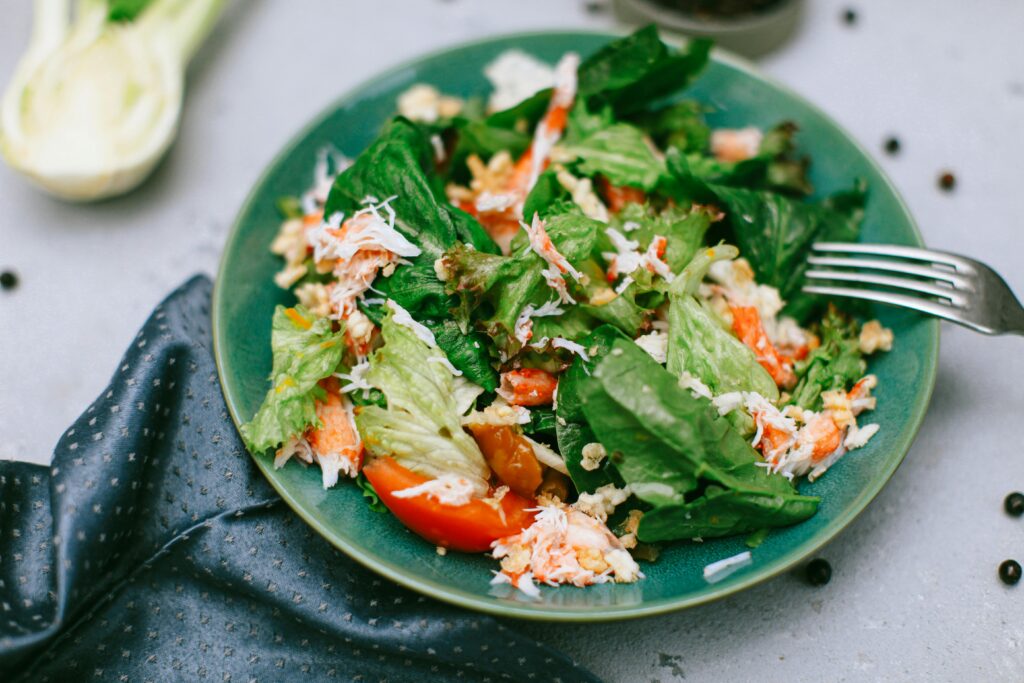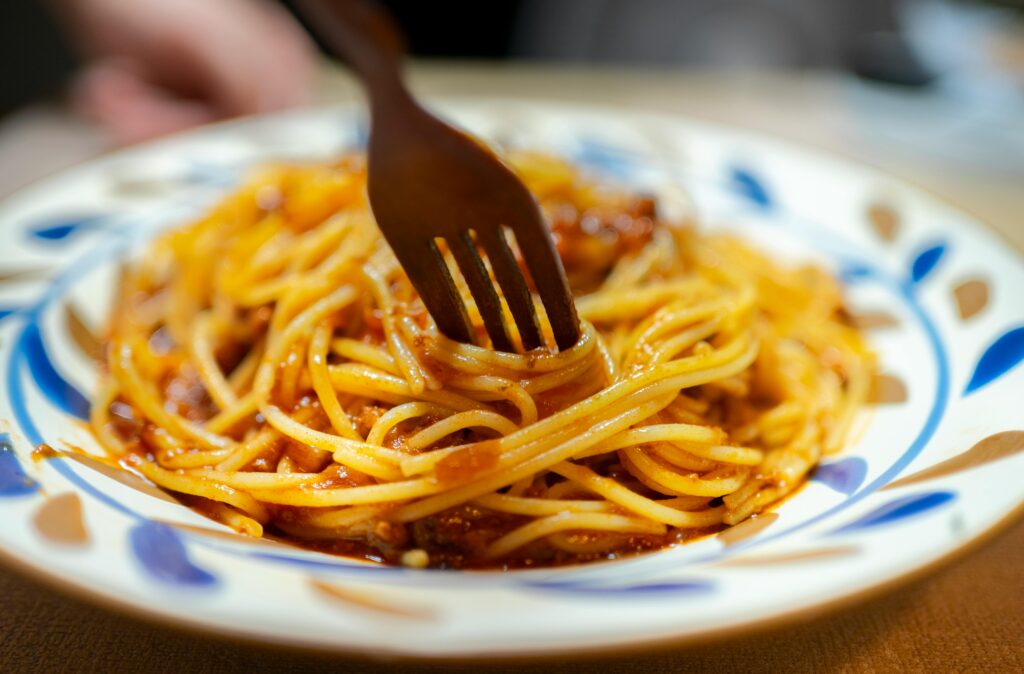
You’ve done it. Cut the carbs, said goodbye to bread, waved farewell to rice. And for a week or two, it actually worked — the scales moved, you felt lighter, and you thought: finally, I’ve figured it out.
Then life happened. A birthday dinner. A weekend away. And before long you were back to eating normally — and the weight crept back just as fast as it had left. So now you’re left wondering: were carbs actually the problem? Are they the reason you can’t seem to lose weight and keep it off?
Here’s the honest answer: probably not. But the full picture is a little more nuanced than that — and understanding it properly will change the way you think about food for good.
In this post, we’re going to cut through the confusion. You’ll learn what carbs actually do in your body, what’s really driving weight gain (hint: it’s not any single food group), and how you can eat carbs — yes, including bread and pasta — without derailing your progress.
This post contains affiliate links. If you purchase through my links, I may earn a small commission at no extra cost to you — thank you for supporting SlimStrongSquad!
What Carbs Actually Are (The 60-Second Version)
Before we can bust the myth, we need to understand the basics. And don’t worry — this is genuinely straightforward.
Carbohydrates are one of three macronutrients your body needs to function. The other two are protein and fat. Together, these three macros make up essentially everything you eat — every meal, every snack, every coffee order.
Here’s the number that matters most: carbohydrates contain 4 calories per gram. So does protein. Fat contains 9 calories per gram. This means carbs are not unusually calorie-dense. They’re not secretly more fattening than other foods on a gram-for-gram basis. In fact, they contain less than half the calories of fat.
Your body actually prefers carbohydrates as its main fuel source — particularly your brain, which runs almost entirely on glucose (the form carbs break down into). Cutting carbs completely doesn’t just feel hard. It goes against your biology.
Simple Carbs vs Complex Carbs — What’s the Difference?
Not all carbohydrates behave the same way in your body, and this distinction is important. There are two broad categories:
Simple (refined) carbs digest quickly, cause rapid spikes in blood sugar, and tend to be low in fibre. They’re easy to overeat because they don’t keep you full for long. Think white bread, lollies, soft drinks, and most packaged snack foods.
Complex (whole) carbs digest slowly, provide steady energy, and are high in fibre. They’re more filling and harder to overeat. Think oats, sweet potato, legumes, brown rice, fruit, and wholegrain bread.
Here’s a quick comparison:
| Simple / Refined Carbs | Complex / Whole Carbs |
Digestion speed | Fast — spikes blood sugar quickly | Slow — steady energy release |
Fibre content | Low | High |
Satiety (fullness) | Low — easy to overeat | High — keeps you fuller for longer |
Examples | White bread, lollies, soft drinks, white rice, sugary cereals | Oats, sweet potato, lentils, brown rice, fruit, wholegrain bread |
Impact on weight loss | Easier to overconsume calories | Supports calorie control and fullness |
The key insight here isn’t that refined carbs are evil — it’s that they make it easier to consume more calories than you need, which is where the real problem lies.
What Really Causes Weight Gain (It’s Not Carbs)
Let’s be direct: weight gain happens when you consistently consume more energy than your body uses. That’s it. That’s the whole mechanism. It’s called a calorie surplus, and it applies to every macronutrient — carbohydrates, protein, and fat alike.
If you eat more protein than your body needs, the excess gets stored as fat. If you eat more fat than your body burns, the excess gets stored as fat. Carbs are not uniquely capable of causing weight gain — they contribute to it only when they push your total calorie intake above what your body needs over time.
The reason carbs get so much of the blame is that refined carbohydrates — sugary drinks, white bread, biscuits, chips — are genuinely very easy to overconsume. A bag of crisps disappears fast. A litre of soft drink is four hundred or more calories with zero satiety to show for it. But the mechanism is still a calorie surplus, not something magic that carbs do to your body.
Not All Carbs Are Equal — This Is Where It Actually Matters
Now that we’ve established that carbs aren’t the villain, let’s talk about where the nuance lies — because not all carbs are created equal, and this really does affect how easy it is to manage your weight.
The shift we’d encourage you to make is this: instead of asking ‘should I eat carbs or not?’, start asking ‘which carbs, in what amounts, and alongside what?’
The Real Issue With Refined Carbs
Refined carbohydrates — white bread, sugary cereals, biscuits, soft drinks, most packaged snack foods — aren’t inherently evil. But they do share a set of characteristics that make weight management harder:
- They’re low in fibre, which means they digest quickly and don’t keep you full.
- They cause blood sugar spikes, followed by dips that can trigger hunger and cravings sooner than you’d expect.
- They’re often engineered to be hyperpalatable — the combination of refined carbs, salt, and fat in most snack foods is specifically designed to override your body’s natural fullness signals.
- They crowd out more nutritious foods, leaving less room for the protein and fibre that genuinely support satiety and weight loss.
A bowl of plain white pasta by itself is easy to overeat. The same pasta portion paired with a big serve of vegetables and a source of protein is a completely different meal — more filling, more balanced, and far easier to eat in a reasonable amount.
Lorem ipsum dolor sit amet, consectetur adipiscing elit. Ut elit tellus, luctus nec ullamcorper mattis, pulvinar dapibus leo.
🛒 AFFILIATE PICK
Looking to add more high-fibre whole foods to your routine? iHerb stocks a great range of oat-based products, chia seeds, and wholefood pantry staples that support balanced eating.
→ Browse iHerb’s wholefood range (affiliate link — we earn a small commission at no cost to you).
For portion awareness, a simple food scale from Amazon AU helps you understand serving sizes without obsessing over every gram.
→ Search ‘kitchen food scale’ on Amazon AU for current options.
Do You Actually Need to Go Low-Carb to Lose Weight?
Short answer: no. But let’s look at the full picture, because low-carb diets do work for some people — just not for the reasons most people think.
Research consistently shows that when calories are matched, low-carb and low-fat diets produce similar long-term weight loss outcomes. A large meta-analysis published in the British Medical Journal found no significant difference in weight loss between low-carb and other dietary approaches over 12 months or longer when total calorie intake was controlled.
What low-carb diets do well is reduce calorie intake almost automatically for some people — because protein and fat are highly satiating, and cutting carbs eliminates a lot of the easy-to-overeat processed foods from the diet. For some women, that structure works really well.
But here’s the honest flip side:
- Low-carb diets are socially restrictive — eating out, family dinners, and celebrations become complicated.
- Many women experience significant rebound weight gain when they return to normal eating because the water weight lost initially comes straight back.
- Cutting carbs can mean cutting out nutritious whole foods — fruit, legumes, wholegrain bread — that genuinely support long-term health.
- Sustainability is everything. A plan you can maintain for years will always outperform a perfect plan you follow for six weeks.
How to Eat Carbs and Still Lose Weight
This is the part you’ve been waiting for — and the good news is, it’s simpler than you might expect.
The Simple Plate Model
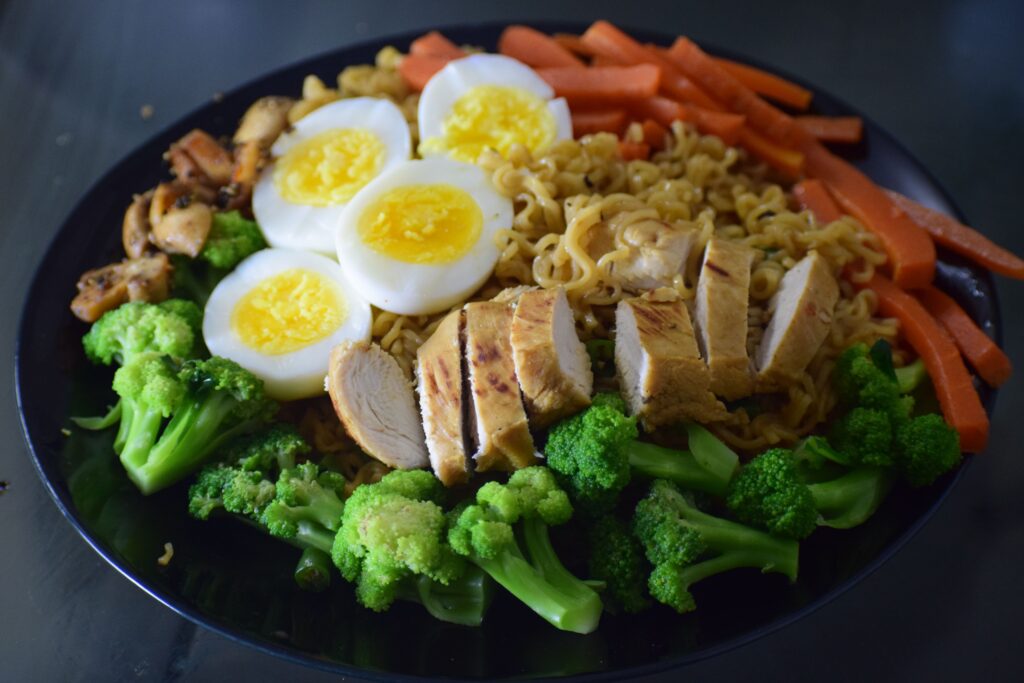
You don’t need to count carbs, track macros, or memorise a complicated set of rules. A simple visual guide — the plate model — is one of the most effective and sustainable tools for managing portion sizes and balancing your meals naturally.
Section | What Goes Here | Why It Works |
🥦 Half your plate | Non-starchy vegetables — broccoli, spinach, capsicum, zucchini, salad greens, tomatoes | Fibre + volume = fullness without many calories |
🍗 Quarter of your plate | Quality protein — chicken, eggs, fish, legumes, tofu, Greek yoghurt | Protein is the most satiating macronutrient and preserves muscle during weight loss |
🍚 Quarter of your plate | Complex carbohydrates — brown rice, sweet potato, wholegrain bread, oats, lentils | Energy, fibre, and nutrients — sized to support your goals, not dominate your meal |
This isn’t a strict rule — it’s a guide. On some days your plate will look different, and that’s completely fine. But using this as your default makes it very hard to accidentally overconsume carbohydrates, because they’re simply taking up a quarter of your plate rather than most of it.
Portion Sizes That Actually Make Sense
If you’d rather not use the plate model, here are some simple portion benchmarks for common carbohydrate foods:
- Cooked rice or pasta: approximately one cupped handful (roughly half a cup)
- Bread: one to two slices of wholegrain bread per meal
- Oats: half a cup of dry oats for a serving of porridge
- Sweet potato or regular potato: approximately one medium potato or half a cup mashed
- Fruit: one medium piece or a small cup of berries — fruit is a whole carbohydrate and genuinely nutritious; don’t avoid it
The goal of knowing these portions is awareness, not obsession. Once you’ve got a feel for what a realistic carb serving looks like on your plate, you won’t need to measure anything.
Simple Swaps Worth Making
You don’t need to overhaul your diet overnight. Small, consistent swaps add up over time — and none of these require giving up the foods you love:
- Instead of sugary breakfast cereal: rolled oats with Greek yoghurt and berries. You’ll feel fuller for twice as long.
- Instead of white rice every night: try brown rice, quinoa, or a half-and-half mix while you adjust to the texture.
- Instead of soft drink: sparkling water with a squeeze of lemon or lime. The fizz satisfies the craving without the sugar hit.
- Instead of chips or crackers as an afternoon snack: apple slices with a tablespoon of nut butter, or veggie sticks with hummus.
- Instead of white sandwich bread: wholegrain or sourdough bread — more fibre, more filling, and still very much a carb you can enjoy.
None of these swaps eliminate carbs. They just nudge you toward carbs that work with your body rather than against your goals.
Your Carb Questions Answered
Do carbs at night make you fat?
This is one of the most persistent myths in diet culture — and it’s not supported by the evidence. Your body doesn’t have a cut-off time after which carbs magically turn into fat. What matters is your total calorie intake across the entire day, not when those calories happen.
Evening meals often get blamed for weight gain because that’s typically when people eat their largest meal, unwind with snacks, or overeat after restricting during the day. That’s a timing and behaviour pattern issue — not a carb issue. If your overall intake is within a reasonable range, eating carbs at dinner is perfectly fine.
Why do I feel bloated when I eat carbs?
Bloating after eating carbs is real for some women — but it’s usually not the carbs themselves that are the culprit. The more likely causes are:
- High-FODMAP foods: onions, garlic, beans, lentils, and wheat can cause gas and bloating in people with sensitive digestive systems.
- Eating too quickly: swallowing air while eating leads to bloating regardless of what you’re eating.
- A sudden increase in fibre: if you’ve ramped up your wholefood intake fast, your gut needs time to adjust. Introduce high-fibre foods gradually.
- Inadequate hydration: fibre needs water to move through your digestive system comfortably.
How many carbs should I eat per day to lose weight?
There’s no universal number that works for everyone — it depends on your total calorie target, your activity level, your body size, and your personal preferences. General health guidelines suggest that roughly 45–65% of your daily calories come from carbohydrates, which for most women on a moderate calorie intake translates to around 150–250 grams per day.
But rather than fixating on a carb count, most women find it far more sustainable to focus on food quality, portion awareness, and overall calorie intake. If you’re eating mostly whole foods, including a balanced plate at meals, and not consistently overeating — you’re probably doing just fine.
Can I lose weight without cutting carbs at all?
Yes — absolutely. Many women lose weight without eliminating any food group, including bread, pasta, rice, and fruit. The key is creating a modest calorie deficit over time, prioritising whole foods most of the time, and finding an approach you can actually sustain. Carbs can be part of that picture for the long term.
Why did I lose weight quickly on keto but then stall — or regain it all back?
The initial rapid loss on keto (or any very low carb diet) is primarily water weight from glycogen depletion — we covered this earlier in the post. Once your body has depleted its glycogen stores, weight loss slows to the rate of your actual calorie deficit, which is the same as any other dietary approach.
Regaining weight quickly after reintroducing carbs happens because your glycogen stores refill and the water weight returns. It doesn’t mean you’ve ‘undone your progress’ in terms of fat — but it can feel that way, which is part of why the carb-weight gain link gets so deeply ingrained.
Poor sleep also plays a bigger role in weight loss stalls than most people realise — it affects hunger hormones, cravings, and your ability to make good food choices.
Want to know more? read ‘5 Reasons Why Sleep is Your Secret Weapon for Weight Loss‘.
What about stress — can that affect how my body processes carbs?
It can — and this is an underappreciated piece of the puzzle. When you’re chronically stressed, your body releases cortisol, which can increase cravings for high-carb, high-sugar comfort foods and affect how your body manages blood sugar. Stress eating is a real phenomenon, and it often involves reaching for refined carbohydrates because they provide a short-term mood lift.
This doesn’t mean stress makes carbs inherently more fattening. It means that managing stress is part of managing your overall eating patterns — which is something we cover in more depth in a dedicated post.
✨ KEY TAKEAWAYS
- Carbohydrates contain 4 calories per gram — the same as protein — and are not uniquely fattening.
- Weight gain is caused by a sustained calorie surplus from any food source, not by carbs specifically.
- The rapid weight loss on low-carb diets is mostly water weight from glycogen depletion — it returns when carbs are reintroduced.
- Complex, high-fibre carbs (oats, sweet potato, brown rice, legumes, fruit) support fullness and make calorie control easier. Refined carbs do the opposite.
- You do not need to cut carbs to lose weight. The best diet is the one you can maintain long-term.
- The plate model — half veg, quarter protein, quarter complex carbs — is one of the simplest and most effective tools for balancing your meals without counting anything.
The Bottom Line on Carbs
Carbs are not your enemy. They never were. What matters is the type of carbs you’re eating most of the time, the quantities those carbs come in, and how they fit into your overall daily intake.
You can eat bread. You can eat rice. You can eat pasta, fruit, and oats — and still lose weight, feel energised, and build a relationship with food that doesn’t involve constant restriction and guilt. The goal isn’t to cut carbs. It’s to understand them — and now you do.
Start with one small shift this week. Swap one refined carb for a whole food alternative. Use the plate model at dinner. Add a handful of vegetables to a meal you’d normally eat without them. Small, consistent changes in the right direction are worth infinitely more than a perfect plan you abandon after a fortnight.
Waht to read next?
Your 7-Day High-Protein Meal Plan for Weight Loss (Beginner-Friendly)
What Is a Calorie Deficit? The Beginner’s Guide to Losing Weight Without Confusion
How to Create a Balanced Diet Plan: Your Guide to Healthy Eating
How to Start Losing Weight: A Beginner’s Guide to Real, Lasting Results